Ft Lauderdale Real Estate Review

Welcome to my blog. I have been writing articles for home buyers and home sellers in the Greater Fort Lauderdale area since about 2007. If you are thinking of buying or selling real estate you can find some helpful tips right here. If you would like to get them sent directly to your inbox just sign up below. 

Subscribe to My Weekly Newsletter

Feb. 5, 2025

How to Analyze Rental Property ROI Like a Pro

Investing in rental properties can be a lucrative way to build wealth, but success hinges on understanding the numbers behind the investment. Return on Investment (ROI) is a key metric that helps you evaluate whether a property is worth your time and money. Here’s how to analyze rental property ROI like a pro.

Step 1: Understand the Basics of ROI

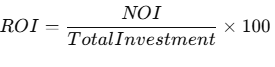
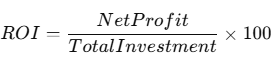
ROI is a performance measure used to evaluate the profitability of an investment. For rental properties, ROI compares the net profit you earn to the amount of money you’ve invested. It is expressed as a percentage:

The higher the ROI, the better the investment. Let’s break down the components you’ll need to calculate ROI accurately.

Step 2: Calculate Rental Income

Start by determining the property’s monthly rental income. Research comparable properties in the area to set a competitive rate. Multiply the monthly rent by 12 to calculate the annual rental income:

Example:

If you charge $2,000 per month, your annual rental income is:

Step 3: Account for Operating Expenses

Operating expenses include all the costs associated with managing and maintaining the property. Common expenses include:

  • Property taxes

  • Insurance

  • Maintenance and repairs

  • Property management fees

  • Utilities (if paid by you)

  • HOA fees (if applicable)

Add these up to find your annual operating expenses.

Example:

If your annual expenses are as follows:

  • Property taxes: $3,000

  • Insurance: $1,200

  • Maintenance: $1,500

  • Property management: $2,400

Your total annual operating expenses are:

Step 4: Calculate Net Operating Income (NOI)

Subtract the annual operating expenses from the annual rental income to find the Net Operating Income (NOI):

Example:

$24,000 - $8,100 = $15,900

Your NOI is $15,900.

Step 5: Determine Your Total Investment

The total investment includes:

  1. Purchase Price: The cost of buying the property.

  2. Closing Costs: Fees for inspections, legal services, and lender charges.

  3. Renovations/Repairs: Any upfront costs to make the property rent-ready.

  4. Down Payment: Your initial cash outlay if you’re financing the property.

Example:

If you paid $250,000 for the property, $10,000 in closing costs, and $15,000 in renovations, your total investment is:

$250,000 + $10,000 = $15,000 = $275,000

Step 6: Calculate ROI

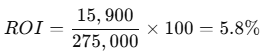
Now, divide the NOI by the total investment and multiply by 100 to find the ROI:

Example:

Your ROI for this property is 5.8%.

Step 7: Adjust for Financing (Optional)

If you’re using a mortgage, your ROI calculation changes. Subtract annual mortgage payments from the NOI before calculating ROI. Include your down payment as part of the total investment.

Example with Financing:

  • Annual mortgage payments: $12,000

  • NOI after mortgage: $15,900 - $12,000 = $3,900

  • Down payment: $50,000

  • Total investment: $50,000 (down payment) + $10,000 (closing costs) + $15,000 (renovations) = $75,000

Step 8: Compare to Benchmarks

A good ROI depends on your goals, market conditions, and risk tolerance. As a general rule:

  • 8-12% ROI: Strong for most rental properties.

  • 5-7% ROI: Acceptable for lower-risk investments.

  • Below 5% ROI: May not be worth the effort unless appreciation potential is high.

Step 9: Factor in Potential Appreciation

ROI doesn’t account for property value appreciation, which can significantly boost your returns over time. Research market trends to estimate potential gains.

Analyzing rental property ROI like a pro involves thorough research and attention to detail. By understanding the numbers and following these steps, you can make informed decisions and maximize your investment’s profitability. Whether you’re a beginner or an experienced investor, mastering ROI calculations is key to long-term success in real estate investing.

Jan. 26, 2025

Understanding Florida Property Taxes: A Guide for Prospective Homeowners

Understanding Florida Property Taxes: A Guide for Prospective Homeowners

Understanding Florida Property Taxes: A Guide for Prospective Homeowners

When considering buying a home in Florida, understanding the state’s property tax system is crucial. Property taxes are a significant cost associated with homeownership, and knowing how they are calculated can help you plan your budget effectively. Here’s a comprehensive guide to help you navigate Florida’s property tax system.

Home buyers can't base what they will pay in property taxes based on what the current owner is paying. A homeowner that has had a homestead exemption for a long time will pay far less than a new homeowner will pay. That is thanks to a concept called Save Our Homes which I will explain shortly.

How Florida Property Taxes Work

Florida property taxes are administered at the local level by county property appraisers and tax collectors. These taxes fund essential services such as public schools, fire departments, law enforcement, and infrastructure maintenance.

Property taxes are calculated based on the assessed value of the property, which is determined by the local property appraiser. The assessed value is then multiplied by the millage rate (or tax rate) set by local taxing authorities.

Key Components of Property Tax Calculation

  1. Market Value: This is the estimated price your property would sell for in the current market.

  2. Assessed Value: The value of your property as determined by the county appraiser, which may differ from the market value due to assessment limitations.

  3. Exemptions: These reduce the taxable value of your property, resulting in lower taxes.

  4. Millage Rate: Expressed in mills (one mill equals $1 per $1,000 of taxable value), this is the rate applied to your property’s taxable value to calculate your tax liability.

Florida’s Homestead Exemption

One of the most significant benefits for Florida homeowners is the Homestead Exemption. If the property is your primary residence, you may qualify for this exemption, which can reduce your taxable value by up to $50,000.

  • First $25,000: This applies to all property taxes, including school district taxes.

  • Second $25,000: Applies to assessed values between $50,000 and $75,000, excluding school taxes.

Additionally, Florida’s "Save Our Homes" cap limits the annual increase in assessed value for homesteaded properties to 3% or the Consumer Price Index (CPI), whichever is lower. This protects homeowners from sharp increases in property taxes due to rising market values.

Other Exemptions and Benefits

Florida offers several other property tax exemptions and benefits, including:

  • Senior Citizen Exemption: Available to low-income seniors aged 65 and older.

  • Veterans Exemptions: Benefits for veterans with service-connected disabilities.

  • Widow/Widower Exemption: A small exemption for widows and widowers.

  • Disabled Persons Exemption: Reductions for homeowners with certain disabilities.

Understanding Tax Bills and Deadlines

Property taxes in Florida are due annually, with the tax year running from January 1 to December 31. Tax bills are sent out in November, and payments are due by March 31 of the following year. Early payment discounts are available:

  • 4% discount if paid in November

  • 3% discount if paid in December

  • 2% discount if paid in January

  • 1% discount if paid in February

Unpaid taxes become delinquent on April 1 and may accrue additional penalties.

How to Estimate Your Property Taxes

To estimate your property taxes, follow these steps:

  1. Determine Your Assessed Value: Check the county appraiser’s website for your property’s estimated value.

  2. Apply Exemptions: Subtract any applicable exemptions (e.g., Homestead Exemption).

  3. Find the Millage Rate: Refer to your local taxing authority’s millage rate.

  4. Calculate the Tax: Multiply the taxable value by the millage rate and divide by 1,000.

Tips for Prospective Homeowners

  • Research Local Rates: Millage rates vary by county and municipality, so check the rates for the area where you plan to buy.

  • Understand Portability: If you’re moving within Florida, you can transfer the "Save Our Homes" cap to your new property, potentially saving money on taxes.

  • Consult Professionals: Consider working with a real estate agent or tax advisor to understand the tax implications of your purchase.

In summary, Florida’s property tax system offers valuable benefits like the Homestead Exemption and Save Our Homes cap, making homeownership more affordable. By understanding how property taxes are calculated and planning accordingly, you can confidently navigate the financial aspects of buying a home in the Sunshine State. For specific details, always consult your local property appraiser or real estate professional.

Subscribe to my newsletter here.

Tom Day

Serving The Greater Fort Lauderdale area since 2006

You can reach me 954-895-2431

If You Like This Post, Please Share. Thanks!

Posted in Featured Article
Jan. 13, 2025

10 Proven Ways to Avoid Capital Gains on Property Sales

Capital gains tax (CGT) is a levy on the profit earned from the sale of an asset, including real estate. While it’s a common financial responsibility, savvy investors and homeowners can reduce or even avoid paying capital gains tax legally by using certain strategies. Below, we outline practical approaches to help minimize your tax burden when selling real estate.

1. Take Advantage of the Primary Residence Exemption

If the property you're selling is your primary residence, you may qualify for significant tax relief. Many tax systems, including in the U.S., provide a capital gains exclusion for primary residences:

  • For single filers: Up to $250,000 in gains may be excluded.
  • For married couples filing jointly: Up to $500,000 in gains may be excluded.

To qualify:

  • You must have owned and lived in the property as your primary residence for at least two of the five years preceding the sale.
  • You cannot have used this exclusion on another property sale within the past two years.

2. Perform a 1031 Exchange (Like-Kind Exchange)

A 1031 exchange, named after Section 1031 of the U.S. Internal Revenue Code, allows real estate investors to defer capital gains taxes by reinvesting proceeds from the sale into another qualifying property. Key requirements include:

  • Both properties must be held for investment or business purposes (not personal use).
  • The replacement property must be of equal or greater value.
  • You must identify the new property within 45 days and close on it within 180 days.

This strategy is particularly beneficial for investors looking to grow their real estate portfolio without an immediate tax hit. A 1031 exchange does have disadvantages. Finding a new property in only 45 days can lead to rushed decisions and overpaying just to avoid taxes.

3. Hold the Property for the Long Term

Real estate owned for more than one year is subject to long-term capital gains tax rates, which are lower than short-term rates (applied to properties held for a year or less). Depending on your income level, long-term rates may be as low as 0% or capped at 20% in many tax jurisdictions.

4. Offset Gains with Losses

Taxpayers can use capital losses from other investments to offset real estate gains. Known as tax-loss harvesting, this strategy involves selling underperforming assets to generate a loss that reduces your taxable capital gains.

  • If your losses exceed your gains, you may be able to deduct up to $3,000 annually against your ordinary income.

5. Convert the Property to a Primary Residence

If you’ve used a property for rental or investment purposes, converting it into your primary residence can help you benefit from the primary residence exclusion mentioned earlier.

  • Tax rules typically require living in the property for at least two years to qualify.

However, the exclusion amount may be prorated if the property was not always used as your primary residence.

6. Invest in Opportunity Zones

By reinvesting capital gains into Opportunity Zone funds, you can defer and potentially reduce taxes. Opportunity Zones are designated areas that encourage economic development and investment. Key benefits include:

  • Deferring taxes on the initial capital gain until 2026.
  • Reducing the taxable gain if the investment is held for at least five to seven years.
  • Avoiding taxes entirely on new gains if the investment is held for 10 years or more.

7. Inherit Instead of Sell

With real estate that is inherited, the tax basis is typically "stepped up" to the current market value at the time of inheritance. This means any capital gains from the property’s value increase before the inheritance are not subject to tax from the previous capital gain. Another bonus is your heirs can begin depreciating the property again from the stepped up value.

8. Use Installment Sales

An installment sale, more commonly known as seller or owner financing involves spreading out the proceeds from a property sale over several years, which can reduce your annual taxable income and potentially place you in a lower tax bracket. This strategy can result in lower overall capital gains tax

9. Donate or Gift the Property

Donating real estate to a qualified charitable organization can eliminate capital gains taxes and may provide a charitable deduction. Alternatively, gifting property to family members can transfer wealth without triggering capital gains tax, provided it adheres to annual or lifetime gift exemption limits.

10. Understand State-Specific Tax Laws

In addition to federal taxes, many jurisdictions impose state-level capital gains taxes. Familiarize yourself with local laws, exemptions, and rates, as they can significantly impact your tax liability.

Final Thoughts

Avoiding capital gains tax on real estate requires careful planning and a solid understanding of tax laws. 
Everyone's situation is different. Consulting with a tax advisor or real estate professional is crucial to ensure compliance and optimize your strategy. Whether you’re a homeowner or an investor, these legal methods can help you retain more of your profits while staying within the boundaries of the law.

By leveraging exemptions, reinvestment options, and other tax-saving strategies, you can minimize the financial impact of selling real estate and maximize your overall returns.

Subscribe to my newsletter here.

Tom Day

Serving The Greater Fort Lauderdale area since 2006

You can reach me 954-895-2431

If You Like This Post, Please Share. Thanks!

Dec. 17, 2024

2025 Real Estate Market Predictions for South Florida

Predictions 2025

Did you read my predictions for South Florida Real Estate from last year? I just read them again for the first time since I posted them a year ago and I was not far off the mark. I have been thinking about 2025 a lot and here are my predictions for next year. Remember his is just for fun. Don't take what I say too seriously. Real estate investing is a long term proposition. I advocate against trying to time the market. In 10 or 20 years what happens in 2025 will have little bearing. Make your decisions based on your wants and needs at the moment. Market timers very rarely hit the peaks or valleys. The best time to buy is always five years ago and the best time to sell is never.

The Florida economy is still very strong. Construction is especially red hot. There have been a lot of new luxury condominium project announced recently. However, population growth in the Miami metro area has plateaued. Most of the Florida population growth is happening along the I-4 corridor from Tampa to Orlando. 

I think interest rates will head down by years end, but only slightly. In early Dec 2024 interest rates were just above 7%, which is up from a year ago. The Fed has signaled some minor cuts in the near future, perhaps as soon as this month. The most recent Fed cuts had no effect on mortgage rates. Inflation remains a big problem and still well above the target of 2%. Watch the yield on the 10 year T-Bills. If they go higher, mortgage rates won't drop even with lower Fed rate.

By this spring I think inventories will balloon to heights we haven't seen in a long time. There are currently 15,000 active listings in Broward county. Most of the inventory growth over the past year has been new condominium listings. I see that continuing. New increases in condo dues go out this time of year and unfortunately, a lot of condo owners will be priced out of their homes or vacation properties. Investors will be squeezed too because it has become harder to raise rents. Watch for some big assessments for the older buildings.

Stagnation in values is a strong possibility for 2025.  Demand for South Florida real estate won't see significant increases in 2025 from the current low activity. Foreign buyer activity has dropped partly due to the strength of the US Dollar. The South Florida market is very dependent on foreign investment. The Canadian Dollar hasn't been this low in more than 20 years. Affordability, the gap between earnings and home values is, and will continue to be, a big hindrance to sales volume during 2025. 

Foreclosures won't be factor in 2025. They are still barely above the pandemic lows. Thanks to all the appreciation in values lately, even homeowners that are struggling to make their mortgage payments have a lot of options still. I do think homeowners will go back to using their home as a credit card to maintain their current lifestyles, like they did 20 years ago. Watch for big increases in home equity loans and cash out refis even at much higher interest rates.

Florida is saturated with vacation homes listed on Airbnb and VRBO. Owners will struggle to be profitable in 2025. It is near impossible to make money if an owner is paying a management company and today's higher interest rates. There are a ton of owners who bought after 2021 in this situation. I see a lot of homes that never should have been vacation homes in the first place that are now listed for both sale and for rent. A lot of people just got caught up in what I think is a fad kind of investment. Winter is make or break for them. Many more of these properties will revert to annual rentals or be sold if they aren't filled in the coming months.

Subscribe to my newsletter here.

Tom Day

Serving The Greater Fort Lauderdale area since 2006

You can reach me 954-895-2431

If You Like This Post, Please Share. Thanks!

Posted in Featured Article
Nov. 27, 2024

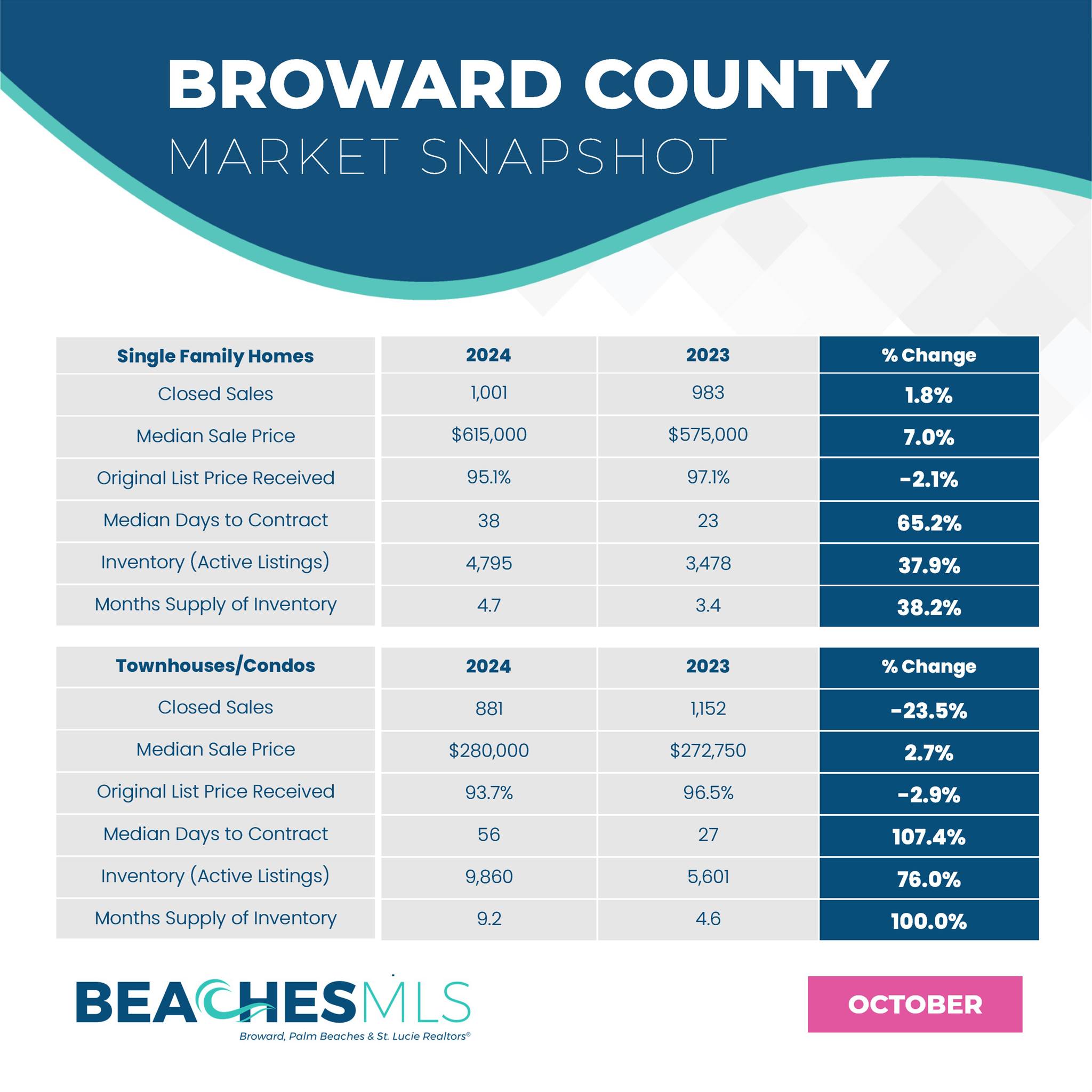
Broward County Market Report Oct 2024

The market Snapshot is out for Oct 2024. Sales volume for single family homes is up slightly from a year ago but down significantly for condos. Average prices for condos is up slightly from last year. That isn’t the whole story. Older condos that will be most affected by the new laws regarding inspections and reserves are declining. Condos now have 9.2 months of inventory which means it is now a buyers market.

Subscribe to my newsletter here.

Tom Day

Serving The Greater Fort Lauderdale area since 2006

You can reach me 954-895-2431

If You Like This Post, Please Share. Thanks!

Posted in Market Report
Nov. 10, 2024

The Risks and Rewards of Purchasing Property at a Florida Tax Deed Auction

Purchasing property at a Florida Tax Deed auction can be an enticing opportunity for investors and homebuyers looking for discounted properties. However, with the potential for savings comes a set of unique risks and challenges. To make an informed decision, it’s essential to understand how Florida Tax Deed auctions work, what opportunities they present, and the risks involved. This article is just an overview of the tax deed process in Florida. Individuals need to do thorough research on the subject prior of taking part in tax deed auctions. They should also seek the help of attorneys and title companys before bidding. 

What is a Florida Tax Deed Auction?

In Florida, when property taxes go unpaid for a period, the county government places a lien on the property. If the taxes remain unpaid, the property can be sold at a tax deed auction to recoup the debt. During the auction, interested buyers bid on the property, with the highest bidder gaining ownership through a tax deed.

These auctions are often held online, allowing bidders to participate remotely. Successful bidders gain ownership of the property, although they may need to take additional steps to secure a clear title and address other encumbrances.

Opportunities in Florida Tax Deed Auctions

  1. Discounted Property Prices

    • One of the biggest attractions of tax deed auctions is the potential for purchasing property below market value. Investors can often acquire properties at a fraction of their assessed value, especially if the property has accumulated a high level of unpaid taxes.
    • The competitive bidding process means some properties may be acquired at prices far below their market value, creating opportunities for profitable flips, rentals, or even long-term investments.
  2. Immediate Property Ownership

    • Winning bidders at a tax deed auction gain immediate ownership of the property, often with minimal wait times compared to traditional real estate transactions. This can expedite investment timelines, allowing buyers to begin improvements, lease the property, or prepare it for resale soon after purchase.
  3. Investment Potential in Distressed Properties

    • Properties acquired through tax deed sales often need repairs or updates, creating an opportunity for investors who specialize in rehabbing distressed properties. By making necessary improvements, investors can increase property value and realize a significant return on investment (ROI) when reselling or renting the property.
  4. Ability to Start Fresh with Property Taxes

    • Purchasing at a tax deed auction typically clears any delinquent property tax obligations, so the new owner starts with a clean slate regarding future property taxes. For some buyers, this represents a more manageable ownership situation moving forward.

Risks of Purchasing at a Florida Tax Deed Auction

  1. Uncertain Title and Ownership Issues

    • Properties sold through tax deed auctions come with no guarantees regarding title quality. Although the tax lien is resolved upon purchase, other liens or encumbrances, such as code enforcement liens, homeowners’ association (HOA) dues, or municipal fines, may still attach to the property. Buyers may need to conduct extensive due diligence to identify and clear these liens.
  2. Need for a Quiet Title Action

    • Due to potential claims on the property, many buyers must initiate a quiet title action to establish clear ownership legally. This legal process can take months and often requires attorney fees, adding cost and time before the new owner can obtain title insurance or sell the property with a clean title.
    • Without a quiet title action, a buyer may face difficulty securing title insurance, which limits the property’s resale and refinancing options.
  3. Property Condition and Lack of Access

    • Many tax deed properties are sold “as-is,” and the county provides limited or no access for inspection before the auction. Buyers often have little information about the property’s physical condition, meaning hidden damage, expensive repairs, or code violations may be discovered after purchase.
    • Some properties may also be occupied by previous owners or tenants, requiring buyers to undertake a legal eviction process, which can be time-consuming and costly.
  4. Financial Obligations Beyond the Winning Bid

    • The winning bid amount covers the delinquent taxes and costs associated with the auction, but other financial obligations may remain. For example, outstanding utility bills, HOA fees, and code enforcement fines may become the new owner’s responsibility.
    • Additionally, property improvement and legal costs (like quiet title actions) may be necessary to render the property marketable or rentable. These extra expenses can reduce overall profit potential if not carefully accounted for.
  5. Competition and Bid Escalation

    • While tax deed auctions offer the opportunity to buy at a discount, competition from other investors can quickly escalate the property’s price, especially in desirable areas. This competition can lead to overbidding, where the property sells closer to or even above its fair market value, reducing the potential profit margin.
  6. Legal Risks and Complicated Processes

    • In Florida, tax deed sales must follow strict legal protocols. Any errors in the auction process or title transfers can result in legal challenges. For example, if a tax deed sale is improperly conducted, previous owners may dispute the ownership transfer, resulting in potential lawsuits.
    • Furthermore, understanding the specific legal requirements of Florida tax deeds and quiet title actions can be complex for inexperienced buyers. Without expert guidance, buyers risk navigating these processes improperly, potentially delaying property use or transfer.

Tips for Successful Bidding at Florida Tax Deed Auctions

  • Conduct Thorough Research: Research the property and its title history as much as possible, and identify any outstanding liens, unpaid bills, or occupancy issues.
  • Budget for Legal and Repair Costs: Set aside funds to cover potential legal actions (e.g., quiet title) and repairs. Factoring in these costs upfront provides a more realistic estimate of the total investment.
  • Attend Practice Auctions or Seek Expert Advice: Before bidding, attend a few tax deed auctions or speak with real estate professionals who have experience in Florida tax deeds. Knowledge of the auction format, rules, and typical bidding strategies can help avoid costly mistakes.
  • Understand Local Market Conditions: Familiarize yourself with the local real estate market and property values in the area. This will help you avoid overbidding and assess potential profit margins accurately.
  • Plan for Worst-Case Scenarios: Tax deed auctions carry risk, and buyers should prepare for unexpected challenges. Building a plan for worst-case scenarios, including the possibility of title issues or costly repairs, can help mitigate financial risk.

Florida Tax Deed auctions offer unique opportunities for acquiring properties at potentially steep discounts, making them attractive for investors and prospective homeowners looking for a deal. However, these opportunities come with significant risks, including title issues, occupancy complications, and unforeseen costs for repairs and legal actions. Buyers need to be well-prepared, with a thorough understanding of the risks and a strategy for managing potential complications.

For those willing to invest the time, resources, and due diligence required, purchasing at a Florida Tax Deed auction can be a profitable venture. However, successful buyers are typically those who approach the process cautiously, carefully researching properties, understanding potential financial obligations, and planning for potential complications that may arise after purchase.

Subscribe to my newsletter here.

Tom Day

Serving The Greater Fort Lauderdale area since 2006

You can reach me 954-895-2431

If You Like This Post, Please Share. Thanks!

Oct. 23, 2024

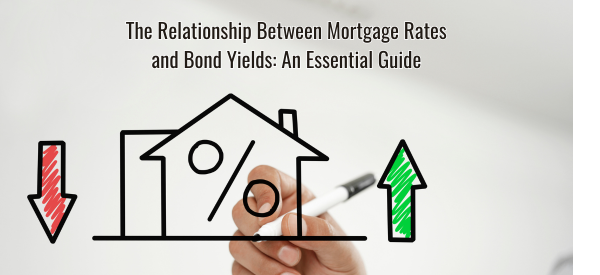
The Relationship Between Mortgage Rates and Bond Yields: An Essential Guide

Mortgage rates and bond yields share a close relationship that is pivotal to understanding the broader financial market, especially for homebuyers, investors, and anyone involved in real estate. When bond yields move, mortgage rates often follow in the same direction. This connection may seem complex at first glance, but it is rooted in fundamental principles of economics and finance. In this article, we will explore how bond yields influence mortgage rates, why they move together, and what this means for homebuyers and investors.

What Are Bond Yields?

To understand how bond yields affect mortgage rates, it’s important to first define what bond yields are. A bond yield is the return an investor expects to earn by holding a bond, typically expressed as a percentage. The most commonly referenced bond in relation to mortgage rates is the 10-year U.S. Treasury note, though mortgage rates can be influenced by other long-term bonds as well.

Bond prices and yields have an inverse relationship. When bond prices rise, yields fall, and when bond prices fall, yields rise. Investors demand higher yields when they expect inflation to rise or when the economic outlook is uncertain, as they want compensation for the increased risk.

What Are Mortgage Rates?

Mortgage rates refer to the interest rates that homebuyers pay when they borrow money to purchase a home. These rates can be either fixed (locked in for the term of the loan) or adjustable (subject to change over time). Mortgage rates are influenced by a variety of factors, including:

  • The Federal Reserve’s monetary policy
  • Economic conditions
  • Inflation
  • Credit risk

But one of the most important factors is the movement of bond yields, particularly the yield on the 10-year Treasury note.

How Bond Yields and Mortgage Rates Are Linked

Mortgage rates and bond yields are linked because both are influenced by investor expectations regarding inflation, risk, and economic growth. Mortgage lenders set interest rates for home loans by observing bond market trends, particularly long-term bonds like the 10-year Treasury. The yield on these bonds serves as a benchmark for lenders to determine the interest rates they will offer on mortgages.

Here’s why:

  • Risk Premium: Mortgage-backed securities (MBS) are similar to bonds in that they are pools of home loans sold to investors. Lenders sell these loans as securities, and investors expect a return based on the interest collected from homeowners. Because mortgages typically carry more risk than government bonds (which are seen as virtually risk-free), mortgage rates must offer a higher return to attract investors. This difference is known as the risk premium.

  • Inflation Expectations: Both bond yields and mortgage rates are highly sensitive to inflation. When inflation is expected to rise, bondholders demand higher yields to compensate for the declining purchasing power of future interest payments. In turn, mortgage rates also rise to keep pace with inflation expectations and maintain a competitive return for investors.

  • Economic Outlook: A strong economy generally leads to higher bond yields and mortgage rates, while a weakening economy tends to lower both. In times of economic growth, demand for credit increases, and the Federal Reserve may raise interest rates to prevent the economy from overheating, pushing up both bond yields and mortgage rates.

Why the 10-Year Treasury Yield Matters for Mortgages

The 10-year U.S. Treasury note is considered the most important benchmark for mortgage rates because it closely reflects the long-term interest rate expectations of the market. Even though most mortgages are for 15 or 30 years, the average homeowner does not keep their loan for the entire term. They either sell their home, refinance, or pay off the loan early. As a result, the 10-year Treasury note provides a good proxy for long-term mortgage rates, as it mirrors the expected time frame during which a typical homeowner holds their mortgage.

When investors believe inflation will rise or when they see the economy strengthening, they demand higher yields on the 10-year Treasury note. Mortgage rates follow suit because lenders need to offer higher interest to attract investors and remain competitive.

Factors That Cause Bond Yields to Rise

Several factors drive bond yields up, which in turn increases mortgage rates:

  • Inflation: When inflation is expected to rise, bond investors demand higher yields to compensate for the reduced purchasing power of their future interest payments. Mortgage rates rise in tandem, as higher inflation makes borrowing more expensive.

  • Federal Reserve Policy: The Federal Reserve plays a crucial role in influencing bond yields and mortgage rates. When the Fed raises its benchmark interest rate (the federal funds rate), borrowing becomes more expensive, pushing bond yields and mortgage rates higher.

  • Government Debt and Spending: Large government borrowing can put upward pressure on bond yields. If the government issues a large amount of debt to finance spending, investors may demand higher yields due to the risk of inflation or default. This can also raise mortgage rates as lenders price in the increased risk.

How Bond Yield Declines Can Lead to Lower Mortgage Rates

Conversely, when bond yields fall, mortgage rates tend to follow. Here’s why bond yields might decline:

  • Economic Slowdown: During periods of economic weakness or recession, investors flock to safe-haven assets like government bonds, driving up their prices and lowering their yields. Lower bond yields lead to lower mortgage rates as lenders adjust to the less risky economic environment.

  • Federal Reserve Intervention: In times of economic stress, the Federal Reserve may lower interest rates or buy large amounts of Treasury bonds to stimulate the economy. These actions lower bond yields and reduce mortgage rates, making borrowing cheaper for households and businesses.

  • Deflation or Low Inflation: When inflation is low or there are fears of deflation, bond yields drop because investors do not need as high a return to compensate for declining prices. Mortgage rates also fall, providing relief to borrowers.

The Spread Between Bond Yields and Mortgage Rates

While bond yields and mortgage rates typically move together, there is always a gap between the two, known as the spread. This spread accounts for the additional risks associated with mortgage lending, such as credit risk, prepayment risk, and liquidity risk. During times of economic uncertainty or financial stress, this spread can widen as lenders become more cautious, leading to higher mortgage rates even if bond yields are falling.

For instance, during the 2008 financial crisis, mortgage rates remained relatively high despite falling bond yields because lenders were concerned about defaults and prepayment risk. Conversely, in periods of economic stability, the spread tends to narrow as lenders feel more confident in the housing market.

What This Means for Homebuyers

Understanding the relationship between bond yields and mortgage rates can help homebuyers make informed decisions about when to purchase or refinance a home. Rising bond yields typically signal higher mortgage rates, making borrowing more expensive. Conversely, falling yields can offer an opportunity to lock in lower rates.

Buyers should keep an eye on economic indicators such as inflation reports, Federal Reserve statements, and bond market trends to gauge where mortgage rates may be headed.

The relationship between bond yields and mortgage rates is a crucial dynamic in the world of finance and real estate. As bond yields rise, mortgage rates typically follow, making home loans more expensive. Conversely, falling bond yields tend to bring mortgage rates down, offering better deals for borrowers. Understanding this relationship can help homebuyers and investors make smarter financial decisions in an ever-changing economic landscape.

Subscribe to my newsletter here.

Tom Day

Serving The Greater Fort Lauderdale area since 2006

You can reach me 954-895-2431

If You Like This Post, Please Share. Thanks!

Posted in Featured Article
Oct. 23, 2024

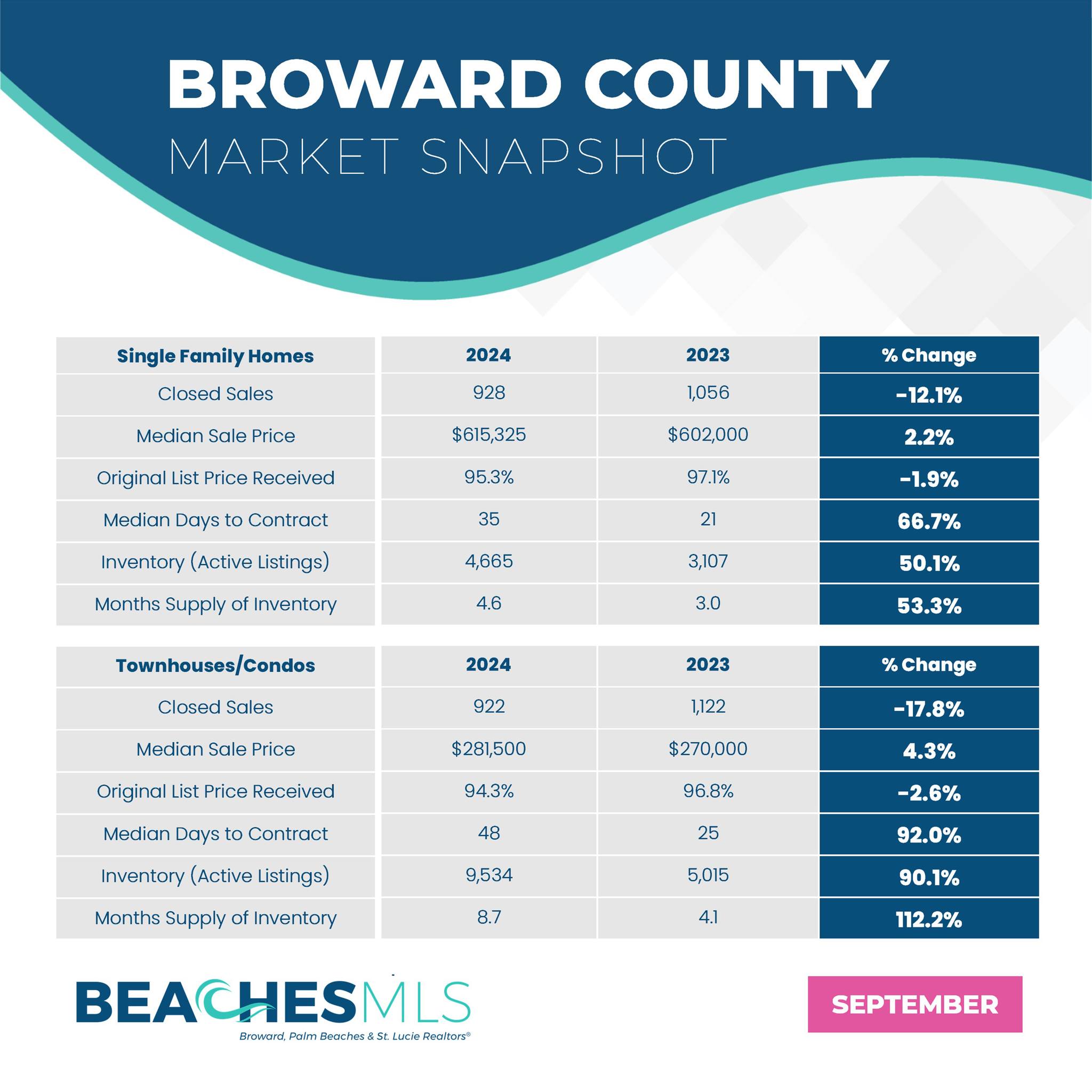
Broward County Market Report Sept 2024

The Broward County Market Snapshot is out for Sept 2024. Much like most of the reports this year inventory and days on the market are increasing substantially. Values are mostly holding steady with some slight year over year increases.

Subscribe to my newsletter here.

Tom Day

Serving The Greater Fort Lauderdale area since 2006

You can reach me 954-895-2431

If You Like This Post, Please Share. Thanks!

Posted in Market Report
Oct. 17, 2024

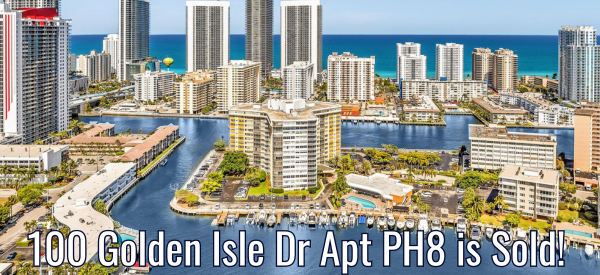
100 Golden Isle Dr Apt PH8 is Sold!

just sold

On Oct 15 my listing at 100 Golden Isle Dr, PH8 in Hallandale Beach was sold to new owners. I represented the seller for our 4th transaction together. I helped them purchase this unit in Lake Point Tower in Hallandale Beach back in 2021. They did a fantastic job renovating the this penthouse unit over the course of 2 years. This was a vacation residence for them and they decided it was time to find a bigger place further north away from the congestion of South Florida. 

A challenge we ran into when we started to market the property was the condo association just approved a significant assessment for new impact windows for every unit along with some other exterior improvements. In the end we got a cash deal done at $450,000 with some closing cost concessions. Lake Point Tower is a great place to live for boaters. Docks can be rented from the association for only $8/foot per month. Maximum boat length is 55 feet. 

See the listing details here.

If you are considering selling your home in South Florida, contact me for a consultation.


Subscribe to my newsletter here.

Tom Day

Serving The Greater Fort Lauderdale area since 2006

You can reach me 954-895-2431

If You Like This Post, Please Share. Thanks!
Posted in Just Sold
Oct. 8, 2024

How Hurricane Milton Could Reshape Florida's Real Estate Market

Hurricane Milton

Fortunately Hurricane Milton left those of us in Southeast Florida mostly undamaged. The central part of the state from Sarasota through Orlando to Daytona Beach saw the worst of it. In the wake of the storm, communities across the affected regions are grappling with the devastating consequences. As families begin the long process of recovery, the real estate market faces significant challenges and transformations. Lets explore the immediate and long-term impacts of Hurricane Milton on real estate. As the hurricane approached Florida lending and insurance underwriters delayed closings throughout the state until the storm passed. Many pending sales were delayed by at least a week and many will cancel completely. This will skew sales statistics negatively throughout the state of Florida.

Immediate Impact on Property Values

One of the most immediate effects of Hurricane Milton will be a drop in sales activity and possible decline in property values in heavily impacted areas where inventories have been rising lately. Homes that were once sought after could experience a sharp decline due to extensive damage to property and infrastructure, making them less appealing to potential buyers. In neighborhoods where flooding and structural damage were prevalent, property values could take years to rebound, especially if repair and rebuilding efforts are delayed.

Displaced Residents

With numerous homes destroyed or badly damaged from hurricane Milton there will be many people in immediate need of housing. That could affect markets that were not hit by the storm in a positive way. We are getting close to the winter season and many snowbird that usually go to the Sarasota area may be looking elsewhere now.

Shift in Buyer Sentiment

In the aftermath of the hurricane, buyer sentiment will likely shifted dramatically. Many potential buyers could become hesitant to invest in areas prone to natural disasters. The fear of future storms could led to a cautious approach, causing a decline in demand for homes in the affected locations. This shift is not only affecting property values but also leading to longer selling times and increased competition among sellers.

Insurance Challenges Due to Milton

Insurance has become a major topic of concern for homeowners and potential buyers alike. Many homeowners face challenges with their insurance claims, which can delay repairs and recovery efforts. Moreover, rising premiums for flood and windstorm insurance are discouraging potential buyers, especially first-time homeowners who may already be on a tight budget. As insurance companies reassess their risk models, communities may see a significant shift in policy availability and affordability.

Government Response and Infrastructure

Local governments are stepping up efforts to address the aftermath of Hurricane Milton, focusing on infrastructure improvements and disaster preparedness. These initiatives may include investing in flood defenses, enhancing drainage systems, and revising building codes to better withstand future storms. While these measures can boost property values in the long run, the immediate effect is often a slowdown in new developments as regulations and standards are updated.

Opportunities for Investment

Despite the challenges, Hurricane Milton has also created opportunities for savvy investors. Distressed properties may attract investors looking for bargains, particularly in areas where they can renovate and upgrade homes to meet modern standards. Additionally, as communities rebuild, there may be a demand for new, more resilient construction that adheres to updated building codes. Investors with a long-term perspective may find potential in these emerging opportunities.

The aftermath of Hurricane Milton is reshaping the real estate landscape in profound ways. While immediate challenges such as possible declining property values and buyer hesitancy are significant, the long-term effects could lead to a more resilient market. For homeowners, investors, and local governments, the road to recovery will require collaboration and innovative solutions to ensure a safer, more resilient future.


Subscribe to my newsletter here.

Tom Day

Serving The Greater Fort Lauderdale area since 2006

You can reach me 954-895-2431

If You Like This Post, Please Share. Thanks!
Posted in Featured Article