Ft Lauderdale Real Estate Review

Welcome to my blog. I have been writing articles for home buyers and home sellers in the Greater Fort Lauderdale area since about 2007. If you are thinking of buying or selling real estate you can find some helpful tips right here. If you would like to get them sent directly to your inbox just sign up below. 

Subscribe to My Weekly Newsletter

Oct. 7, 2024

Maximizing ROI: Top Renovations That Pay Off in 2024

Maximizing ROI: Top Renovations That Pay Off in 2024

When it comes to house flipping, one of the most critical factors determining your profit margin is the renovations you choose to undertake. In 2024, the real estate landscape continues to evolve, and understanding which upgrades will yield the highest return on investment (ROI) is essential for success. Here are the top renovations to consider for maximizing ROI this year.

1. Kitchen Remodels: The Heart of the Home

Why It Pays Off:

The kitchen remains one of the most important spaces for buyers. A modern, functional kitchen can significantly elevate a home’s value.

Key Upgrades:

Cabinet Refacing or Replacement: Fresh cabinetry can make a huge impact. Consider white or light-colored finishes to enhance brightness.

Energy-Efficient Appliances: Buyers are increasingly looking for energy-efficient options, so invest in newer, eco-friendly models.

Open Layout: If feasible, consider removing non-load-bearing walls to create an open-concept kitchen, which is highly sought after.

ROI Potential:

According to the National Association of Realtors, a minor kitchen remodel can yield an ROI of about 80-85%.

2. Bathroom Updates: Refresh and Revitalize

Why It Pays Off:

Bathrooms are the second most critical area in a home for potential buyers. A clean, updated bathroom can significantly influence buying decisions.

Key Upgrades:

Modern Fixtures: Replace old faucets and showerheads with modern, water-efficient options.

New Tile and Grout: Refreshing tile and regrouting can make a space look brand new.

Spa-Like Features: Consider adding a double vanity or a freestanding tub for added luxury.

ROI Potential:

A mid-range bathroom remodel typically returns about 70% of its cost.

3. Curb Appeal Enhancements: First Impressions Matter

Why It Pays Off:

The exterior of a home is the first thing buyers see, and enhancing curb appeal can significantly increase interest.

Key Upgrades:

Landscaping: Invest in professional landscaping with native plants for easy maintenance.

Fresh Paint: A new coat of exterior paint can do wonders. Choose colors that are trendy yet timeless.

Front Door Replacement: A stylish front door can dramatically improve the overall look and feel.

Driveways are often neglected and can really take away from curb appeal. Higher end flips should consider new driveway or at least seal coating.

ROI Potential:

Investing in curb appeal can offer an ROI of 100% or more, making it one of the best investments for any property.

4. Energy Efficiency Improvements: Save and Sustain

Why It Pays Off:

As buyers become more environmentally conscious, energy-efficient upgrades are increasingly attractive.

Key Upgrades:

New Windows: Energy-efficient windows reduce utility bills and enhance comfort. In hurricane prone areas impact resistant glass is a must have for most buyers.

Insulation Upgrades: Proper insulation can improve energy efficiency and lower heating/cooling costs.

Smart Home Technology: Integrating smart thermostats, lighting, and security systems appeals to tech-savvy buyers.

ROI Potential:

Energy-efficient upgrades can often recover 90% of their cost, especially in markets focused on sustainability.

5. Basement Finishing: Unlocking Hidden Potential

Why It Pays Off:

A finished basement adds valuable living space, making a home more versatile and appealing.

Key Upgrades:

Living Space Conversion: Turn the basement into a family room, home office, or guest suite.

Bathrooms: Adding a bathroom can significantly increase functionality and value.

Egress Windows: Ensure proper safety measures are in place with egress windows for natural light and exits.

ROI Potential:

Finishing a basement can offer an ROI of 70-75%, especially in family-oriented neighborhoods.

6. Flooring Upgrades: The Foundation of Style

Why It Pays Off:

Quality flooring can transform a home’s aesthetic, making it feel more modern and inviting.

Key Upgrades:

Hardwood Flooring: If the budget allows, install hardwood or high-quality laminate flooring, which is preferred by many buyers.

Tile in Wet Areas: Use durable and stylish tile in bathrooms and kitchens for both functionality and aesthetics.

Consistent Flooring Throughout: Ensuring a consistent look can make spaces feel larger and more cohesive.

ROI Potential:

Upgrading flooring can yield an ROI of approximately 70-80%, depending on the materials used.

In the competitive world of house flipping, making smart renovation choices can make all the difference in your bottom line. By focusing on high-ROI renovations like kitchen and bathroom updates, enhancing curb appeal, investing in energy efficiency, and considering valuable additional space, you can set your property apart in 2024's market. As always, keep a close eye on local trends and buyer preferences to ensure your renovations align with what prospective buyers are looking for. Happy flipping!

Subscribe to my newsletter here.

Tom Day

Serving The Greater Fort Lauderdale area since 2006

You can reach me 954-895-2431

If You Like This Post, Please Share. Thanks!

Posted in House Flipping
Oct. 3, 2024

3151 S Palm Aire Dr Apt 210 is Closed!

On Oct 2 my listing at 3151 S Palm Aire Dr Apt 210, Pompano Beach closed. Demand for condos has been down lately and they are taking longer to sell. This unit located in Palm Aire Country Club is in good condition with updates from about 10 years ago including impact windows. It closed in an all cash deal after 63 days on the market to a foreign buyer. The current asking price was $269,000 and it sold for $259,000.

View the listing here.

If you are considering selling your home in Palm Aire or the surrounding area contact me for a consultation. I have sold more than 60 properties in Palm Aire.

Subscribe to my newsletter here.

Tom Day

Serving The Greater Fort Lauderdale area since 2006

You can reach me 954-895-2431

If You Like This Post, Please Share. Thanks!

Sept. 30, 2024

The Best Property For First Time Home Flippers is Right Under Your Nose

Flipping properties can be an exciting and lucrative venture, especially for first-time investors. While many dream of transforming distressed houses into desirable homes, it can be a risky venture. The best property to start with might be right under your nose: your own home. Here’s why your residence is the perfect starting point for flipping. It could be the home you are living in now or buy a fixer-upper and live there as you renovate it.

Emotional Investment and Familiarity

When you flip your own home, you already have a deep understanding of its strengths and weaknesses. You know what improvements can enhance its value and which features appeal most to potential buyers. This emotional investment can drive you to make thoughtful decisions that maximize both aesthetic and functional appeal.

Lower Financial Risk

Flipping a property requires a significant financial commitment. However, by starting with your own home, you can often leverage existing equity. If your home has appreciated in value, you may have access to funds for renovations without taking on new debt. Additionally, living in your home during the flip allows you to save on housing costs while making improvements. Financing costs for your primary home are much lower than if you try to borrow money for a renovation project. So called hard money loans, popular with flippers, typically have interest rates between 10 and 15% plus origination fees. They usually have to be paid back in 12 to 18 months. 

Tax Benefits

When you sell your primary residence, you may qualify for tax exemptions on capital gains. For singles, the first $250,000 of profit is usually tax-free, and for couples, it’s $500,000, as long as you have lived in it for at least 2 of the last 5 years. This can make flipping your own home not only a practical decision but also a financially savvy one.

Control Over the Process

Flipping your own home gives you complete control over the renovation process. You can choose materials, design choices, and timelines without the pressure of external expectations. This autonomy allows for a more personalized approach to your flip, ensuring that the updates align with your vision.

Incremental Improvements

Flipping doesn’t have to happen overnight. You can tackle projects incrementally, spreading costs over time. This approach makes the process less overwhelming and allows you to assess the impact of each update before diving into the next. Plus, you can live in the space while improving it, making the process more enjoyable.

Skill Development

Working on your own home provides an excellent opportunity to develop valuable skills. From basic DIY repairs to more complex renovations, you can learn as you go. These skills will not only benefit you during your current flip but can also be leveraged for future investment properties.

Creating Your Dream Home

Perhaps the best reason to flip your own home is the chance to create a space you love. As you make updates and improvements, you can tailor the home to fit your personal style and needs. By the time you’re ready to sell, you’ll have a property that not only appeals to buyers but also reflects your unique tastes.

Flipping your own home can be an incredibly rewarding experience. Not only do you have the potential to increase your property’s value, but you also gain invaluable skills and insights into the real estate market. So, if you’re considering entering the world of property flipping, look no further than your own front door. Your home might just be the best place to start. 

Subscribe to my newsletter here.

Tom Day

Serving The Greater Fort Lauderdale area since 2006

You can reach me 954-895-2431

If You Like This Post, Please Share. Thanks!

Sept. 9, 2024

Investing in Real Estate: Key Differences Between Single-Family Homes and Condominiums

Condos vs Single Family Homes

Entry level real estate investors tend to gravitate towards either condos or single family homes. Both options offer unique advantages and challenges, depending on your investment goals, budget, and risk tolerance. Understanding the differences between these two property types is crucial in making an informed decision. This article will explore the key differences between investing in single-family homes and condominiums, focusing on factors like cost, maintenance, rental potential, and market appreciation.

1. Cost of Purchase

Single-Family Homes:

Single-family homes generally come with a higher price tag compared to condominiums, especially in desirable neighborhoods. However, the price can vary significantly depending on the location, size, and condition of the property. In addition to the purchase price, single-family homes typically have higher closing costs and property taxes. 

Condominiums:

Condos are generally more affordable than single-family homes, particularly in urban areas where land is scarce and prices are high. Condos are a popular choice for first-time investors or those with a more limited budget. However, it’s important to factor in monthly homeowner association (HOA) fees, which can add significantly to the overall cost.

2. Maintenance and Repairs

Single-Family Homes:

As the owner of a single-family home, you are solely responsible for all maintenance, repairs, and upkeep of the property. This includes exterior maintenance like roofing, landscaping, and siding, as well as interior repairs. While this means you have complete control over the property, it also requires a more hands-on approach and can lead to unexpected costs.

Condominiums:

One of the biggest advantages of owning a condo is that the HOA usually takes care of exterior maintenance, landscaping, and common areas. This can save you time and money, making condos a more low-maintenance investment. However, you’ll still be responsible for interior repairs and any issues that arise within your unit.

3. Rental Income Potential

Single-Family Homes:

Single-family homes often attract long-term tenants, such as families, who are looking for stability and privacy. These tenants may be willing to pay a premium for a standalone home with a yard, garage, and more living space. As a result, single-family homes can generate higher rental income compared to condos. However, the higher cost of purchase and maintenance should be factored into the overall return on investment (ROI). Single family homes at the lower price points generally have higher rates of return, but poorer quality tenants and the headaches that go with them.

Condominiums:

Condos tend to attract a different demographic, such as young professionals, retirees, or individuals who prefer the convenience of urban living. Condos may have lower rental rates than single-family homes, but they can still be a profitable investment, especially in desirable locations. Condos also tend to have higher occupancy rates due to the lower rental costs. Condo fees cut into cash flow, so expect lower return on investment.

4. Appreciation and Market Trends

Single-Family Homes:

Historically, single-family homes have shown stronger appreciation over time compared to condos. This is partly due to the fact that land tends to increase in value, and single-family homes usually come with more land than condos. Additionally, single-family homes are often seen as more desirable, which can drive demand and increase property values.

Condominiums:

While condos can appreciate in value, their appreciation rate is generally slower compared to single-family homes. The value of a condo is often more closely tied to the overall market conditions and the performance of the HOA. However, condos in prime locations or in buildings with desirable amenities can still see significant appreciation. It’s also important to consider the potential for special assessments, where condo owners may be required to pay extra fees for major repairs or upgrades to the building, which can impact the overall return on investment.

5. Control and Flexibility

Single-Family Homes:

Owning a single-family home gives you complete control over the property. You can make renovations, improvements, or changes without needing approval from an HOA. This flexibility can be a significant advantage if you plan to add value to the property through upgrades or if you want to tailor the property to attract specific types of tenants.

Condominiums:

In contrast, condos come with more restrictions imposed by the HOA. These restrictions can include rules about renting out the unit, making modifications, or even the type of occupants allowed. While these rules are designed to maintain the property’s value and appearance, they can also limit your ability to maximize your investment. Condo associations usually have their own screening process for approving tenants. This can lead to higher vacancy rates.

6. Community and Lifestyle

Single-Family Homes:

Single-family homes offer more privacy and space, which is often appealing to families and individuals seeking a quieter, more suburban lifestyle. The community feel can vary greatly depending on the neighborhood, but single-family home owners typically have more autonomy.

Condominiums:

Condos offer a different kind of community experience, often with shared amenities like pools, gyms, and social spaces. This can create a strong sense of community among residents, which may appeal to certain tenants. However, the close proximity of units and shared walls can sometimes lead to noise and privacy concerns.

7. Management

Single Family Homes:

The vast majority of real estate problems end up being a management problem of some kind. Single family homes require more hands on management.  Repairs needs are more common for single family homes. There is the regular maintenance like lawn, pest and possible pool care that need oversight. Then there is the more long term planning of eventual capital expenditures like painting, roofs and air conditioners. 

Condominiums:

Because most of the repairs and maintenance is handled by the association an investor has fewer management needs and this makes investing in condominiums popular with absentee owners. Investing in Florida condos for example is popular with out of state owners precisely because the association handles much of the work. 

Choosing between investing in a single-family home or a condominium depends on your investment goals, risk tolerance, and lifestyle preferences. Single-family homes offer greater control, potentially higher rental income, and stronger appreciation, but come with higher costs and responsibilities. Condos provide a more affordable entry into real estate investment, with lower maintenance responsibilities and a built-in community, but may offer less control and slower appreciation.

Ultimately, the best choice is the one that aligns with your long-term investment strategy, financial situation, and personal preferences. Whether you prioritize cash flow, appreciation, or ease of management, understanding the key differences between these two property types will help you make a more informed and confident investment decision.

Subscribe to my newsletter here.

Tom Day

Serving The Greater Fort Lauderdale area since 2006

You can reach me 954-895-2431

If You Like This Post, Please Share. Thanks!

Sept. 3, 2024

HELOC Loans: Are You Aware of These Risks?

Inflation is putting a squeeze on everybody finances lately. At the same time homeowner equity has soared. This has created a surge in Home Equity Lines of Credit (HELOCs) loans. HELOCs can be a useful tools for many. Understanding the associated risks has never been more crucial. Here's an in-depth look at why HELOCs, while offering financial flexibility, come with significant caveats.

1. Variable Interest Rates:

HELOCs typically come with variable interest rates, which are often pegged to an index like the Prime Rate. This means your interest rate, and consequently your payments, can increase if market rates rise. For instance, if you're using your HELOC for long-term projects or debt consolidation, an uptick in rates could significantly inflate your repayment costs over time.

2. The Risk of Over-Borrowing:

The convenience of drawing funds as needed can lead to over-borrowing. Unlike a fixed-term loan where you receive a lump sum, HELOCs allow continuous borrowing up to your credit limit. This flexibility can tempt homeowners to spend beyond their means, potentially leading to a cycle of debt.

3. Home as Collateral:

Your home secures a HELOC. If you default on payments, you risk foreclosure. This is perhaps the most severe risk, as it could lead to the loss of your home, not just your investment or savings.

4. Interest-Only Payments:

During the draw period, many HELOCs allow interest-only payments, which might seem beneficial initially but can lead to a balloon payment at the end of the loan term. This structure can make the total cost of borrowing much higher if the loan isn't paid off by the end of the draw period.

5. Impact of Home Value Fluctuations:

If the value of your home decreases, you might find yourself in a negative equity situation, where you owe more than your home is worth. This not only limits your ability to sell or refinance but also increases the risk associated with your HELOC.

6. The Psychological Aspect:

The ease of accessing funds can lead to a psychological trap where spending feels consequence-free. This can be particularly risky for those without strong financial discipline, leading to lifestyle inflation or unnecessary debt.

7. Tax Deductibility Changes:

While interest on HELOCs used for home improvements might be tax-deductible, changes in tax laws can affect this benefit. Always consult with a tax advisor, as these deductions have limits and conditions.

8. Repayment Challenges:

After the draw period, the repayment phase begins, where you must start paying down the principal. This could lead to significantly higher monthly payments, potentially straining your finances if not planned for adequately.

9. Market Timing and Economic Conditions:

Taking out a HELOC in a low-interest-rate environment might seem wise, but if rates rise due to economic changes, your financial strategy could backfire. Economic downturns could also affect your home's value, exacerbating the risks.

HELOCs offer a flexible way to leverage home equity, but they're not without peril. The key to managing these risks lies in understanding your financial situation, having a clear repayment plan, and being aware of how economic changes could impact your loan terms. For those considering a HELOC, it's vital to weigh these risks against the benefits, perhaps consulting with financial advisors to ensure the decision aligns with long-term financial health rather than short-term financial relief. 

Subscribe to my newsletter here.

Tom Day

Serving The Greater Fort Lauderdale area since 2006

You can reach me 954-895-2431

If You Like This Post, Please Share. Thanks!

Posted in Featured Article
Aug. 25, 2024

Broward County Market Report July 2024

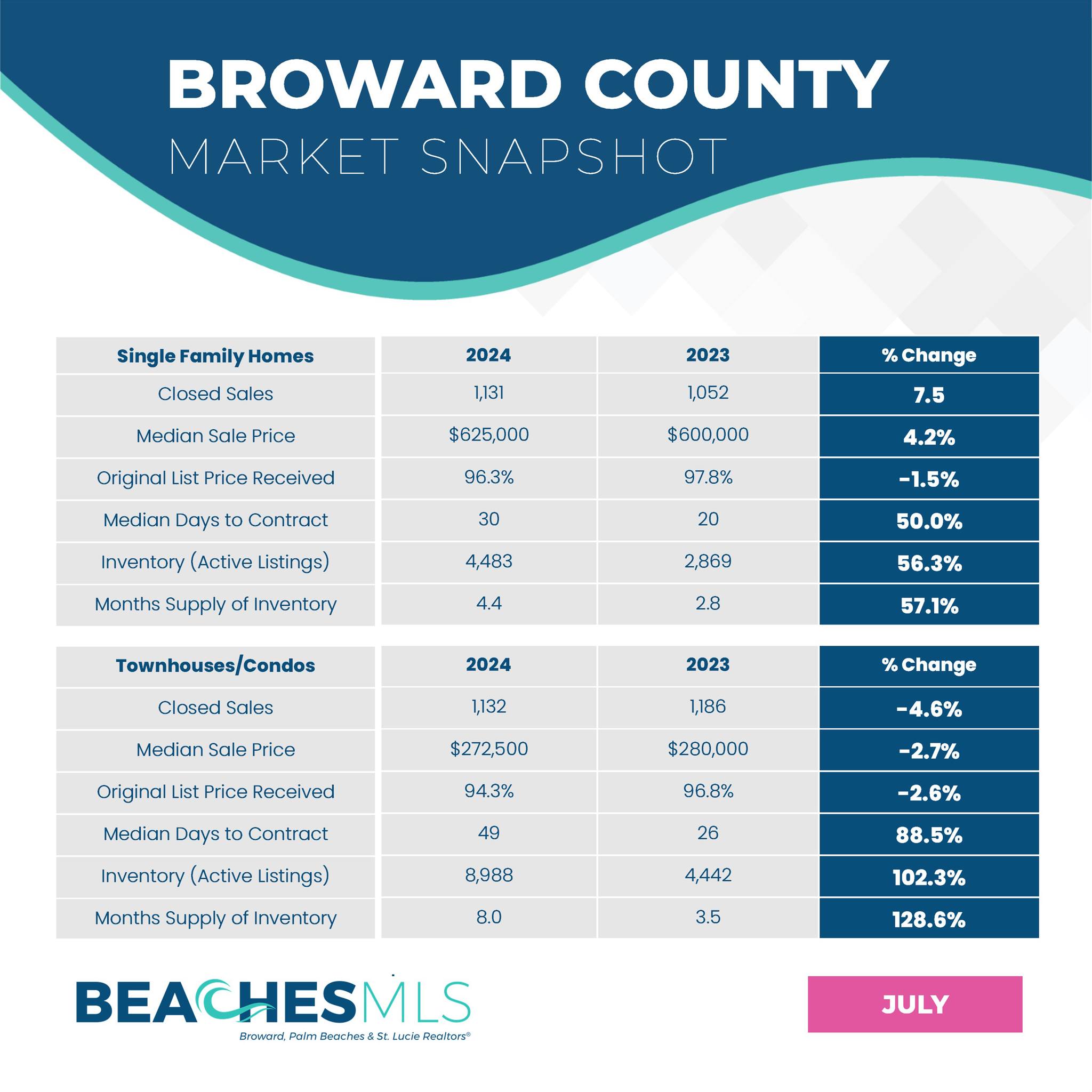
The Market Snapshot is out for July 2024. The most notable statistic is this is the first month in many years that shows a year over year decline in condo values. Single family home values are still creepy up at a slower pace. Inventories of all categories continue a steady increase.

Subscribe to my newsletter here.

Tom Day

Serving The Greater Fort Lauderdale area since 2006

You can reach me 954-895-2431

If You Like This Post, Please Share. Thanks!

Posted in Market Report
Aug. 23, 2024

US Housing Market Faces New Challenges as Foreign Buyers Pull Back

Foreign buyers exit US housing market

In 2024, the U.S. housing market has witnessed an unprecedented trend: foreign buyers are pulling away from what was once a lucrative investment ground. This shift, marked by the lowest recorded foreign home purchases since tracking began in 2009, reflects a confluence of economic factors, policy changes, and global market dynamics. Here's an in-depth look at why this retreat is happening and what it means for the American housing landscape.

The Decline in Numbers

Recent data indicates that between April 2023 and March 2024, foreign buyers purchased 36% fewer homes compared to the previous year. This drastic reduction isn't just a blip but a significant trend, signaling a cooling of international interest in U.S. real estate. 

Economic Factors at Play

Currency Strength: The strong U.S. dollar has made American homes significantly more expensive for foreign buyers. This currency strength, while beneficial for American travelers, inversely affects the affordability of U.S. properties for international investors.

Interest Rates and Home Prices: High home prices, coupled with rising mortgage rates, have not only deterred domestic buyers but have also made U.S. real estate less appealing to foreigners looking for investment opportunities. The cost of borrowing in the U.S. has become prohibitive for many international investors.

Global Economic Uncertainty: With economic recovery post-COVID-19 varying globally, potential buyers from regions facing economic downturns or political instability are naturally cautious about investing in overseas properties.

Market Sentiment and Real Estate Dynamics

The sentiment on platforms like X (formerly Twitter) reflects a mix of relief and concern among market observers. Posts highlight a noticeable decrease in investor demand, with some areas experiencing a "collapse" in investor purchases. This shift suggests a market correction, where the speculative bubble might be deflating, potentially leading to more affordable housing for local buyers.

Geographical Preferences

Here is Florida the impact is a big deal. Historically, states like Florida have been hotspots for foreign investment due to favorable climates, lifestyle, and real estate laws. However, even these traditional magnets are seeing a decline, indicating a broad-based retreat rather than a localized phenomenon.

Impact on the U.S. Housing Market

Price Adjustments: With fewer foreign buyers, there's a potential for home prices to stabilize or even decrease, offering relief to first-time U.S. homebuyers who've been sidelined by escalating prices.

Market Diversification: The decline in foreign investment might encourage more domestic investment, potentially diversifying the buyer pool and stabilizing local economies less dependent on foreign capital.

Policy Implications: This trend might prompt U.S. policymakers to review housing policies, possibly aiming to attract more domestic investment or adjust tax incentives to encourage foreign investment again.

In summary the retreat of foreign buyers from the U.S. housing market in 2024 marks a pivotal moment. While it might initially seem like a downturn, this shift could lead to a more balanced housing market, where local demand and supply dynamics play a more significant role. For the U.S., this could mean a return to a housing market more aligned with domestic needs rather than global investment trends, potentially fostering a more sustainable real estate environment. However, the long-term effects on local economies that thrived on foreign real estate investment remain to be seen, highlighting the need for adaptive economic strategies in regions heavily reliant on such investments. 

This article provides an overview based on the trends observed up to August 2024, reflecting the sentiment and data available from various sources, including insights from X posts and broader economic analyses.

Subscribe to my newsletter here.

Tom Day

Serving The Greater Fort Lauderdale area since 2006

You can reach me 954-895-2431

If You Like This Post, Please Share. Thanks!
Aug. 16, 2024

Wellington, FL Real Estate Conundrum for Home Buyers in 2024

Living in Wellington, FL

For those dreaming of owning a piece of the American Dream in Wellington, FL, the real estate market presents a unique tapestry of opportunities and challenges. Here's a look at what prospective home buyers might encounter in this equestrian paradise turned real estate hotspot.

Wellington Market Dynamics

Price Trends: The median home price in Wellington has seen a notable increase, with figures suggesting a 2.3% rise year-over-year as of July 2024. This indicates a market where demand is still outpacing supply, or where the value of properties is being driven up by external factors like interest rates or local development projects.

Inventory: While the total number of homes for sale might fluctuate, the trend towards larger homes (5+ bedrooms) increasing in inventory suggests a shift towards catering to families or those looking for more space, possibly due to remote work trends or lifestyle changes post-global health crises.

Days on Market (DOM): The average DOM has varied, but a decrease from previous months indicates a market where homes are selling faster, which could be a sign of either a hot market or strategic pricing by sellers.

Why Wellington?

Lifestyle: Wellington isn't just about homes; it's a lifestyle. Known for its equestrian events, polo matches, and a community that values outdoor living, it's a magnet for those who seek more than just a house.

Investment: The real estate market's performance, especially the significant price increases in various bedroom types, might allure investors looking for capital appreciation. However, this also means higher entry costs for first-time buyers.

Challenges for Buyers:

Affordability: With prices on the rise, affordability becomes a significant barrier, especially if you're not in the market for a luxury home. The increase in prices across all bedroom types indicates a broad market trend, not just luxury inflation.

Competition: The decrease in DOM and the percentage of homes sold under asking price suggest a competitive market where buyers might need to act swiftly or offer above asking price in some cases.

Interest Rates: While not directly from the data, the general economic climate of rising interest rates could make mortgages more expensive, affecting how much house one can afford.

View Wellington's Finest Home Listings

Strategic Buying:

Timing: Given the fluctuations in inventory and DOM, timing your purchase could be key. Buying during a less competitive season or understanding when new listings might come on the market could offer an advantage.

Negotiation: Despite the market's heat, not all homes sell over asking. Understanding the local trends, like the percentage of homes sold under asking, could empower buyers in negotiations.

Future Development: Projects like 'The Wellington' by Tiger Woods and Justin Timberlake could influence property values and community appeal. Keeping an eye on such developments might offer insights into future market directions.

In conclusion, Wellington, FL, remains a desirable location for its unique blend of community, lifestyle, and potential investment returns. However, for prospective home buyers, it's a market that requires careful navigation. Understanding the current trends, from price points to days on market, and perhaps most importantly, the lifestyle you're buying into, will be crucial. Whether you're looking for a home or an investment, Wellington's real estate market in 2024 is as much about timing, strategy, and understanding local nuances as it is about financial capability.

Subscribe to my newsletter here.

Tom Day

Serving The Greater Fort Lauderdale area since 2006

You can reach me 954-895-2431

If You Like This Post, Please Share. Thanks!

Aug. 14, 2024

The Downside of Low Interest Rates.

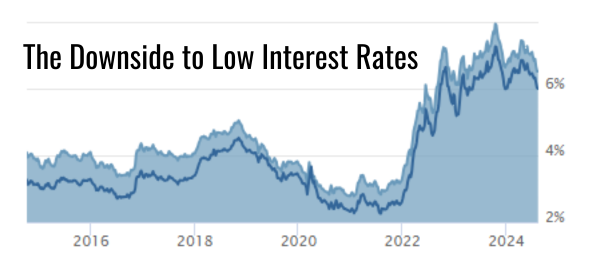
Low interest ratesI have always felt that The FED lowered interest rate too far and for too long at the onset of the pandemic. It was a boon to current homeowners. Values and equity and rents soared.  In recent decades, central banks around the world have frequently turned to low interest rates as a tool to stimulate economic growth. While low interest rates can provide an immediate boost to the economy by making borrowing cheaper and encouraging spending, they also have significant long-term effects, particularly on the housing market. Understanding these effects is crucial for policymakers, investors, and potential homeowners.

Increased Housing Demand

One of the most direct impacts of low interest rates is an increase in housing demand. Lower interest rates reduce the cost of mortgages, making it cheaper for individuals to buy homes in the short term. This is because their monthly payments are affordable. This increased affordability can lead to more people entering the housing market, either to purchase their first home or to upgrade to a more expensive property. Over time, this surge in demand can drive up home prices, as more buyers compete for a limited supply of housing.

Rising Home Prices

As demand for housing increases, so do home prices. This effect can be particularly pronounced in desirable areas where the supply of new homes is constrained by factors such as zoning laws, geographic limitations, or a lack of available land. Over the long term, this can lead to significant appreciation in home values. While rising home prices can benefit current homeowners by increasing their home equity, they can also make it more difficult for first-time buyers to enter the market.

Housing Market Bubbles

Extended periods of low interest rates can contribute to the formation of housing market bubbles. When borrowing is cheap and home prices are rising, speculative behavior can become more common. Investors may purchase properties with the expectation of selling them at higher prices in the future, further driving up prices and contributing to unsustainable growth. If and when the bubble bursts, it can lead to sharp declines in home values, widespread foreclosures, and significant economic disruption. During the Great Financial Crisis we had easy credit. In recent years we have had cheap credit which has produced similar conditions.

Reduced Housing Affordability

While low interest rates can initially improve housing affordability by lowering monthly mortgage payments, the long-term effect of rising home prices can offset this benefit. As home prices increase, the amount of money needed for a down payment and the overall cost of a home can rise faster than incomes, making it more challenging for people to afford a home. 

Changes in Housing Supply

Low interest rates can also influence the supply side of the housing market. With cheaper borrowing costs, developers may be more inclined to invest in new housing projects, leading to an increase in the supply of new homes. However, this effect can be tempered by other factors, such as land availability, regulatory constraints, and construction costs. Additionally, if developers anticipate that low interest rates will not be sustained, they may be hesitant to commit to long-term projects.

Increased Leverage and Financial Risk

Low interest rates can encourage homeowners and investors to take on more debt. While this can enable individuals to purchase more expensive homes or multiple properties, it also increases financial risk. Higher levels of leverage mean that borrowers are more vulnerable to changes in interest rates and economic conditions. If interest rates rise or if there is an economic downturn, highly leveraged homeowners and investors may struggle to meet their mortgage payments, leading to higher rates of default and foreclosure.

Long-Term Economic Implications

The long-term effects of low interest rates on housing can have broader economic implications. Rising home prices can contribute to increased household wealth and consumer spending, providing a boost to the economy. However, if housing becomes too expensive, it can reduce disposable income for other expenditures, potentially slowing economic growth. Additionally, the concentration of wealth in real estate can make the economy more susceptible to housing market fluctuations.

In summary, low interest rates can have significant and far-reaching effects on the housing market. While they can make homeownership more accessible in the short term, they can also lead to rising home prices, housing market bubbles, reduced affordability, increased financial risk, and broader economic implications over the long term. Policymakers must carefully consider these effects when setting interest rates and implementing housing policies to ensure a balanced and sustainable housing market. For individuals and investors, understanding these dynamics is crucial for making informed decisions in the real estate market.

The low interest rates of the early 2020's made a lot of people equity rich, but it also trapped many homeowners because no one wants to give up a sub 4% mortgage. In addition First time home buyers can't afford to buy a home with an artificially high price and a nearly 7% mortgage. 

Subscribe to my newsletter here.

Tom Day

Serving The Greater Fort Lauderdale area since 2006

You can reach me 954-895-2431

If You Like This Post, Please Share. Thanks!

Posted in Featured Article
Aug. 7, 2024

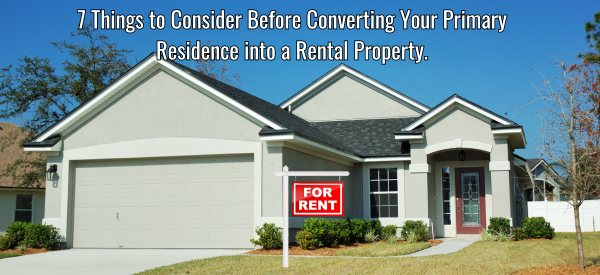
7 Things to Consider Before Converting Your Primary Residence into a Rental Property.

Turning your primary residence into a rental property can be a natural progression for some or a necessity for others due to market challenges. Perhaps you have heard the term accidental landlord. Either way it requires careful consideration and planning. Here are key factors to consider before making this transition:

1. Financial Implications

Mortgage Considerations

If you have a mortgage on your home, review the terms to ensure there are no restrictions against renting it out. Some mortgages, especially those with lower interest rates for primary residences, may have clauses that prohibit renting. 

Tax Implications

The tax landscape changes when you convert your primary residence into a rental property. Consult with your accountant.  You can deduct expenses related to maintaining the property, but you will also need to report rental income. You can now get the benefits of depreciation. Additionally, consider capital gains tax implications if you decide to sell the property in the future. 

Insurance Needs

Your homeowner's insurance policy will need to be converted to a landlord insurance policy. Landlord insurance typically costs more but provides coverage for risks associated with tenants and the associated liability.

2. Legal and Regulatory Compliance

Local Laws and Regulations

Familiarize yourself with local landlord-tenant laws, which govern everything from security deposits to eviction procedures. Compliance with these laws is crucial to avoid legal issues. Check with your municipality. They likely require some kind of registration or business tax receipt. 

Zoning Laws and Homeowners Association (HOA) Rules

Check zoning laws and HOA/Condo regulations to ensure renting your property is allowed. Some neighborhoods have restrictions on rentals or short-term leases. If you had to go through an approval process when you purchased your home, your tenants will likely have to as well. 

3. Property Management

Self-Management vs. Property Management Company

Decide whether you will manage the property yourself or hire a property management company. Managing it yourself can save money but requires significant time and effort. A property management company can handle tenant screening, maintenance, and rent collection but will charge a fee, 5 to 10% is common.

Maintenance and Repairs

Regular maintenance is essential to keep the property in good condition and retain its value. Budget for ongoing repairs and unexpected issues. Are you going to provide lawn and pool service or make the tenant responsible?

Pets

Be sure to have a pet policy in place before you market your property. Service and Emotional Support Animals can not be denied, but they must have the proper paperwork.

4. Tenant Screening

Background and Credit Checks

Thoroughly screen potential tenants by conducting background and credit checks. This helps ensure they have a reliable rental history and the financial stability to pay rent on time.

If you choose to hire a Realtor to find your tenants, they can run the credit and background checks for you.

Rental Agreements

Draft a comprehensive rental agreement that outlines the terms of the lease, including rent amount, payment due dates, maintenance responsibilities, and policies on pets and smoking. Consider having a lawyer review the agreement to ensure it complies with local laws. This is an another area a Realtor can assist with completing standardized leases.

5. Market Analysis

Rental Market Assessment

Research the local rental market to determine the appropriate rent price. Setting a competitive rent rate is crucial to attracting quality tenants while ensuring the rental income covers your expenses.

Property Valuation

Evaluate your property’s rental potential based on its location, size, amenities, and condition. Properties in desirable areas with good schools and amenities typically command higher rents.

6. Long-Term Planning

Investment Goals

Clarify your long-term goals for the property. Are you planning to rent it out indefinitely, or do you have a timeline for selling? Your goals will influence your decisions regarding property improvements, rental rates, and tenant selection. Be sure to budget for periodic vacancies, and capital improvements for the future, like roofs, painting, appliances and air conditioners.

Be aware that taxes, HOA fees and insurance continually go up. Be sure to keep your rents in line with the market so you don't fall behind. Many new landlords struggle with raising rents. Remember it is a business you are running. Otherwise you should just put your money in a different type of investment.

Exit Strategy

Have an exit strategy in place. This could involve selling the property, moving back in, or converting it to another use. Understanding your options and the market conditions will help you make informed decisions.

7. Emotional Considerations

Detachment from the Property

Transitioning from a homeowner to a landlord requires detachment from the emotional aspect of your home. You’ll need to view the property as a business asset and make decisions based on financial considerations rather than personal attachment.

Tenant Relations

Building good relationships with tenants can lead to longer lease agreements and better care for your property. However, you must balance friendliness with professionalism to maintain clear boundaries.

In summary, converting your primary residence into a rental property can be a rewarding venture, providing a steady income stream and potential tax benefits. However, it requires thorough preparation, understanding of legal and financial implications, and a commitment to managing the property effectively. By considering these factors and planning accordingly, you can make the transition smoothly and maximize the benefits of your new rental property.

Call me if you need help with your rental property.

Subscribe to my newsletter here.

Tom Day

Serving The Greater Fort Lauderdale area since 2006

You can reach me 954-895-2431

If You Like This Post, Please Share. Thanks!