Ft Lauderdale Real Estate Review

Welcome to my blog. I have been writing articles for home buyers and home sellers in the Greater Fort Lauderdale area since about 2007. If you are thinking of buying or selling real estate you can find some helpful tips right here. If you would like to get them sent directly to your inbox just sign up below. 

Subscribe to My Weekly Newsletter

May 22, 2025

Always Ask For a Discount on Your Mortgage Payoff

mortgage payoff

You may have heard that everything is negotiable when it comes to real estate. It's true and I am going to give you a tip that may save you a substantial amount of money. 

Before you sell your property, or otherwise find yourself in a position to pay off your balance, ask your lender if they are willing to give you a discount on your mortgage if you pay it off in full. In many instances it is to a lenders advantage to do this, especially if your current loan has a below market rate. They can then lend your money back out at a higher rate. With rates averaging just over 7% today, that's most of you. It costs you nothing to ask. 

If they do agree to give a discount they will likely give you a time limit. It could be 30 days. Maybe longer, maybe not. When you make the request you should be prepared to pay it off quickly. If you are selling your home, don't tell your lender when you make the request. If you do, they will know they don't need to discount. The time to ask is right after you get you home under contract and before the title company asks for a payoff amount.

If you like this tip please Subscribe to my newsletter here.

Tom Day

Serving The Greater Fort Lauderdale area since 2006

You can reach me 954-895-2431

If You Like This Post, Please Share. Thanks!

Posted in Home Selling
May 2, 2025

Real Estate Seller Financing - 24 Frequently Asked Questions

Owner financing - FAQ

1. What is seller financing in real estate?

Seller financing is when the property owner acts as the lender, allowing the buyer to purchase the property by making payments directly to the seller, bypassing traditional banks or mortgage lenders.

2. How does seller financing work?

In a seller-financed deal, the buyer signs a promissory note agreeing to repay the seller over time, typically with interest. The seller retains some rights (like foreclosure rights) if the buyer defaults.

3. Why would a seller offer financing instead of requiring a traditional mortgage?

Sellers may offer financing to broaden the pool of potential buyers, sell a property faster, receive ongoing income, or simply because it is a proven way to add value with favorable terms.

4. What are the benefits of seller financing for buyers?

Buyers can benefit from easier qualification (less stringent credit requirements), flexible terms, lower closing costs, and a faster closing process.

5. What are the risks of seller financing for buyers?

Risks include higher interest rates, shorter repayment periods (often ending with a balloon payment), and the possibility of the seller having existing liens on the property.

6. What are the benefits of seller financing for sellers?

Sellers can earn interest income, potentially sell a property faster, avoid costly repairs (selling "as-is"), and may defer capital gains taxes through an installment sale.

7. What are the risks of seller financing for sellers?

Risks include buyer default, foreclosure costs, holding a non-performing loan, and legal complications if documents aren’t prepared properly.

8. What types of properties are commonly sold with seller financing?

Seller financing is often used for residential properties, vacant land, commercial properties, and investment properties, especially those difficult to finance through traditional means.

9. How is the interest rate determined in a seller-financed deal?

The interest rate is negotiable between buyer and seller but often falls slightly above traditional mortgage rates to compensate the seller for taking on additional risk.

10. Is a down payment required in seller financing?

Yes, typically a down payment is required. The amount is negotiable but often ranges from 5% to 20% (or more) of the purchase price.

11. How is the loan term usually structured in a seller-financed sale?

Terms vary but commonly range from 3 to 5 years with a balloon payment at the end, or sometimes fully amortized over 15–30 years.

12. What legal documents are needed for seller financing?

Key documents include a promissory note, purchase agreement, and security instrument (like a mortgage or deed of trust) that secures the property as collateral.

13. Can a seller-financed mortgage be customized?

Yes. Interest rates, repayment terms, late fees, balloon payments, and other conditions can all be customized to suit the buyer and seller’s needs.

14. What happens if the buyer defaults on the seller-financed loan?

The seller can initiate foreclosure proceedings or pursue other remedies spelled out in the agreement, depending on local laws and the contract terms.

15. How does foreclosure work with seller financing?

Foreclosure can be judicial (through court) in states such as Florida and New York or non-judicial (outside court) in states such as Texas and California and the type of security instrument used (mortgage vs deed of trust).

16. Is a balloon payment common in seller financing deals?

Yes, balloon payments are common. Many seller-financed loans require a large final payment after a short period (often 3–5 years). Like all terms they are negotiable and can be of a longer time frame.

17. Can the seller charge a prepayment penalty?

Yes. A seller can include a prepayment penalty clause in the agreement to discourage the buyer from paying off the loan early unless otherwise restricted by state law.

18. Are there tax implications for sellers offering financing?

Yes. Sellers may report the sale as an installment sale, which spreads out capital gains taxes over time. Always consult a tax professional.

19. How does seller financing affect the buyer’s ability to sell the property later?

Buyers can sell the property, but the original loan must usually be paid off at the time of sale unless the loan terms allow assumption by a new buyer.

20. Can the seller sell the note (loan) to another investor?

Yes. Sellers can often sell the promissory note to a note buyer for a lump sum, although usually at a discount. Sellers can also trade the note for another asset and have a better chance of getting full face value for it.

21. Is seller financing legal in all states?

Yes, but each state has its own laws regarding loan terms, foreclosure procedures, and disclosure requirements. Always consult local real estate attorneys.

22. How is insurance handled in a seller-financed transaction?

The buyer typically maintains property insurance, naming the seller as an "additional insured" or "loss payee" to protect the seller’s interest.

23. Can seller financing be used for commercial properties?

Yes, seller financing is commonly used in commercial real estate, especially when traditional financing is difficult to obtain.

24. How can a buyer or seller protect themselves in a seller-financed transaction?

Both parties should use a real estate attorney to draft or review all documents, conduct a title search, and ensure proper recording of the loan documents.

Download a copy of my Guide to Seller Financing

Subscribe to my newsletter here.

Tom Day

Serving The Greater Fort Lauderdale area since 2006

You can reach me 954-895-2431

If You Like This Post, Please Share. Thanks!

April 20, 2025

Understanding Market Cycles: When to Buy, Hold, or Sell Real Estate

Timing is everything in real estate and very few investors can do it perfectly. Whether you're an experienced investor or just starting out, understanding market cycles can help you make informed decisions about when to buy, hold, or sell a property. Real estate, like all markets, moves in cycles that repeat over time. Here's how to recognize each phase and develop strategies to optimize your investments.

The Four Phases of the Real Estate Market Cycle

1. Recovery

This phase follows a market downturn or recession. During recovery, the market begins to stabilize. Vacancy rates start to decline, rental prices stop falling, and new construction is limited. However, public confidence is still low, and many investors remain cautious.

Best Strategy: Buy

  • Properties are generally undervalued.

  • Early movers can acquire assets below market value.

  • Ideal for long-term investors looking for appreciation and cash flow.

2. Expansion

Demand for real estate increases during this phase. Vacancy rates drop further, rents rise, and construction activity ramps up to meet demand. Consumer confidence and job growth support a thriving market.

Best Strategy: Buy and Hold

  • Property values and rents are increasing.

  • Opportunities for value-add strategies and rent increases.

  • Holding during this phase can lead to strong appreciation and income.

3. Hyper Supply

At this point, the market begins to show signs of oversupply. New developments outpace demand, leading to rising vacancy rates and slowing rent growth. Prices may plateau, and signs of a downturn appear.

Best Strategy: Hold or Prepare to Sell

  • Assess your portfolio for strong performers.

  • Consider locking in gains on high-appreciation properties.

  • Monitor local markets closely to avoid losses.

4. Recession

This is the downturn phase, where oversupply leads to declining rents, higher vacancies, and falling property values. Financing becomes harder to obtain, and distressed sales increase.

Best Strategy: Hold (if possible) or Buy at Discounts

  • Selling during a recession often means taking a loss.

  • If cash flow allows, hold until the next recovery.

  • Look for distressed properties at bargain prices with high long-term potential.

Indicators to Watch

Understanding the market cycle involves more than just observing rent trends. Watch for these indicators:

  • Vacancy Rates: Rising vacancies can signal oversupply.

  • Rental Growth: Slowing or declining rent growth often precedes a downturn.

  • New Construction Permits: A surge in permits may indicate overbuilding.

  • Interest Rates: Higher rates can cool buyer demand.

  • Employment Trends: Job growth fuels housing demand.

  • Consumer Confidence: A confident public tends to support market expansion.

Timing Your Strategy

When to Buy:

  • During Recovery or early Expansion.

  • When prices are still low, but fundamentals are improving.

  • When you can find undervalued properties with upside potential.

When to Hold:

  • During Expansion and Hyper Supply.

  • When rents and values are high, and the property is cash-flow positive.

  • To avoid selling in a down market and preserve long-term gains.

When to Sell:

  • Near the end of Expansion or during Hyper Supply.

  • When you can lock in significant equity gains.

  • If market indicators suggest a downturn is approaching.

Navigating real estate market cycles requires awareness, patience, and strategic thinking. By learning to identify each phase of the cycle and aligning your strategy accordingly, you can maximize profits, minimize risk, and grow a resilient investment portfolio. Stay informed, keep an eye on the data, and don’t be afraid to make bold moves when the timing is right. Real estate is a long term investment. The longer your time frame the fewer errors you will make.

Subscribe to my newsletter here.

Tom Day

Serving The Greater Fort Lauderdale area since 2006

You can reach me 954-895-2431

If You Like This Post, Please Share. Thanks!

April 8, 2025

Reverse 1031 Exchange: Benefits, Strategy & Tax Advantages for Real Estate Investors

10

In real estate investing, timing is everything. A Reverse 1031 Exchange is a powerful tax-deferment strategy that allows investors to acquire a new property before selling an existing one. This IRS-sanctioned method flips the traditional exchange process and is ideal for securing in-demand properties without the pressure of a rushed sale.

If you're an investor looking for greater flexibility, tax deferral, and strategic control, a reverse 1031 exchange, sometimes referred to as "Parking a 1031", may be the tool you need.

Why Choose a Reverse 1031 Exchange?

Below are the top benefits of a Reverse 1031 Exchange and why it’s gaining popularity among savvy real estate investors:

1. Secure Your Replacement Property First

Unlike a traditional 1031 exchange where you sell first and buy later, a reverse exchange lets you buy your target property upfront. This is crucial in competitive real estate markets where high-demand properties don’t stay available for long.

2. Gain Negotiation Leverage

With no looming 45-day identification window, you're in a better position to negotiate favorable terms. There’s less pressure to “settle” on a replacement property, reducing rushed decisions and increasing deal quality.

3. Defer Capital Gains Tax

Just like a forward exchange, a reverse 1031 allows for full tax deferral on capital gains—helping you reinvest more of your equity and preserve working capital.

4. Improve Portfolio Flexibility

Need to diversify or consolidate? Reverse exchanges give you room to strategically manage your portfolio, even when the market isn’t ideal for selling the current property.

5. Sell When the Market Is Right

Avoid panic-selling in a down market. A reverse 1031 exchange lets you wait for the optimal time to sell, potentially boosting profit margins.

6. Maintain Cash Flow

Since you haven’t sold the original property yet, you can continue earning rental income while owning the new asset—helping to support cash flow during the exchange period.

Important Considerations

  • Qualified Intermediary (QI) or Exchange Accommodation Titleholder (EAT) is required.
  • 45-day identification and 180-day closing rules still apply.
  • You’ll need upfront capital or financing to purchase the replacement property.
  • Expect higher legal and transaction costs than a standard 1031 exchange.

Is a Reverse 1031 Exchange Right for You?

Reverse 1031 exchanges are best suited for real estate investors who:

  • Have found the perfect replacement property before selling
  • Want more control over market timing
  • Seek maximum tax efficiency
  • Are working with knowledgeable 1031 exchange professionals

Tip: Always consult with a tax advisor or CPA experienced in real estate exchanges to ensure compliance.

Final Thoughts: Maximize Your Investment Strategy

In today’s fast-moving market, a Reverse 1031 Exchange offers real estate investors unmatched flexibility, tax advantages, and strategic timing. Whether you're expanding your portfolio or upgrading to higher-yield assets, this approach can help you do it on your own terms—without losing valuable tax benefits.

Want help executing a Reverse 1031 Exchange?
Talk to a qualified intermediary or real estate tax advisor today to see if this strategy fits your investment goals.

Subscribe to my newsletter here.

Tom Day

Serving The Greater Fort Lauderdale area since 2006

You can reach me 954-895-2431

If You Like This Post, Please Share. Thanks!

March 27, 2025

The 10 Most Common Real Estate Problems

Buying & Selling Issues

  1. Pricing Challenges – Sellers often overprice their properties, making them difficult to sell, while buyers struggle with affordability in competitive markets.

  2. Financing & Mortgage Approval Delays – Buyers may face difficulty securing financing due to credit issues, high interest rates, or stricter lending requirements.

  3. Market Fluctuations – The real estate market can be unpredictable, with property values and demand changing due to economic shifts, interest rate hikes, or local developments.

  4. Legal & Title Disputes – Issues such as unclear property titles, zoning violations, or undisclosed liens can complicate transactions and lead to costly legal battles.

Investment & Rental Property Issues

  1. Bad Tenants & Eviction Challenges – Landlords may face tenants who fail to pay rent, damage the property, or refuse to vacate, requiring legal eviction proceedings.

  2. Property Management Problems – Managing rental properties, handling maintenance, and dealing with tenant complaints can be time-consuming and stressful.

  3. Unexpected Maintenance & Repair Costs – Many buyers and investors underestimate repair costs, leading to financial strain, especially with older or neglected properties.

Location & Development Concerns

  1. Neighborhood Decline or Crime Rates – A neighborhood’s reputation and safety can significantly impact property values and rental demand.

  2. Zoning & Permit Restrictions – Investors and developers may face challenges with local zoning laws, building permits, or property use restrictions that limit their plans.

Closing & Transaction Issues

  1. Deal Falling Through – Transactions often fail due to buyer financing issues, low appraisals, inspection problems, or last-minute changes in market conditions.

Of course there are countless other real estate problems that sellers and buyers encounter such as inherited properties, divorce situations, code violations with excessive fines, unpaid taxes, and interest rate resets. The list is endless. Real estate is an illiquid asset that isn't easily converted to cash. Then in many situations converting it to cash creates a taxable event for you. If you have a real estate problem, I can help. I have encountered almost all of these situations over the course of the last 20 years. Contact me for a consultation.

Subscribe to my newsletter here.

Tom Day

Serving The Greater Fort Lauderdale area since 2006

You can reach me 954-895-2431

If You Like This Post, Please Share. Thanks!

Posted in Featured Article
March 23, 2025

10 Top Mistakes New Real Estate Investors Make

1. Overleveraging (Borrowing Too Much)

Mistake: New investors often take on excessive debt, assuming property values will always rise. They max out loans or use high-interest financing without a safety net.

Consequence: If the market dips or unexpected expenses arise (e.g., repairs), they can’t cover payments, risking foreclosure or forced sales at a loss.

Avoidance Tip: Stick to conservative loan-to-value (LTV) ratios (e.g., 70-80%) and maintain a cash reserve for emergencies—aim for 6 months of mortgage payments.

2. Underestimating Costs

Mistake: Beginners frequently overlook or miscalculate expenses beyond the purchase price, like repairs, property taxes, insurance, vacancies, or property management fees.

Consequence: Cash flow dries up, turning a “great deal” into a money pit.

Avoidance Tip: Use the 50% rule for rentals (50% of rental income goes to operating expenses) as a rough guide, and always get repair estimates from contractors before buying.

3. Skipping Due Diligence

Mistake: Falling in love with a property and rushing to buy without inspecting it thoroughly or researching the area. This includes ignoring title issues, zoning laws, or neighborhood trends.

Consequence: Hidden problems—like structural damage or declining property values—surface after the purchase, costing time and money.

 Avoidance Tip: Hire a professional inspector, review comparable sales (comps), and check local crime rates, school districts, and development plans.

4. Overpaying for Properties

Mistake: Newbies often bid too high due to emotional attachment or competition, ignoring the numbers that make a deal profitable.

Consequence: Thin profit margins or negative cash flow make the investment unsustainable.

 Avoidance Tip: Stick to the 70% rule for flips (pay no more than 70% of the after-repair value minus repair costs) and negotiate hard.

5. Misjudging the Market

Mistake: Assuming every market is “hot” or that trends from one area apply universally, without analyzing local supply, demand, and economic factors.

Consequence: Buying in a declining market or oversaturated area leads to low returns or difficulty selling/renting.

Avoidance Tip: Study vacancy rates, job growth, and population trends. Tools like Zillow, Redfin, or local real estate reports can help.

6. Ignoring Cash Flow in Favor of Appreciation

Mistake: Banking solely on property value increases rather than ensuring steady rental income or immediate returns.

Consequence: If appreciation stalls (e.g., during a recession), the investment becomes a liability with no income to offset costs.

Avoidance Tip: Prioritize properties with positive cash flow (income exceeds expenses) and treat appreciation as a bonus, not the goal.

7. Poor Tenant Management

Mistake: Failing to screen tenants properly or handle issues like late rent or property damage, especially for rental investors.

Consequence: Problem tenants can lead to unpaid rent, legal battles, or costly evictions.

 Avoidance Tip: Use thorough background checks (credit, criminal, references) and enforce a clear lease agreement. Consider hiring a property manager if it’s overwhelming.

8. Trying to Do Everything Solo

Mistake: New investors often avoid hiring professionals (e.g., accountants, realtors, contractors) to save money, relying on DIY skills instead.

Consequence: Mistakes in taxes, legal contracts, or renovations can cost far more than expert fees.

Avoidance Tip: Build a team early—mentor, agent, lawyer, etc.—and leverage their expertise to avoid rookie errors.

9. Chasing “Get Rich Quick” Schemes

Mistake: Falling for hyped-up seminars or strategies promising instant wealth, like no-money-down deals with hidden risks.

Consequence: Overcommitting to bad investments or scams drains funds and morale.

Avoidance Tip: Focus on proven, long-term strategies (e.g., buy-and-hold rentals) and research any guru’s track record before buying in.

10. Neglecting Exit Strategies

Mistake: Buying a property without a clear plan for selling, renting, or refinancing if things go south.

Consequence: Investors get stuck with an unprofitable asset they can’t offload.

Avoidance Tip: Plan at least two exit options upfront (e.g., sell to a flipper, convert to a rental) based on market conditions.

Why This Matters

Real estate investing offers huge potential, but these mistakes can turn opportunity into regret. The common thread? Lack of preparation and research. New investors succeed by starting small, crunching numbers diligently, and learning from each deal.


Subscribe to my newsletter here.

Tom Day

Serving The Greater Fort Lauderdale area since 2006

You can reach me 954-895-2431

If You Like This Post, Please Share. Thanks!

March 21, 2025

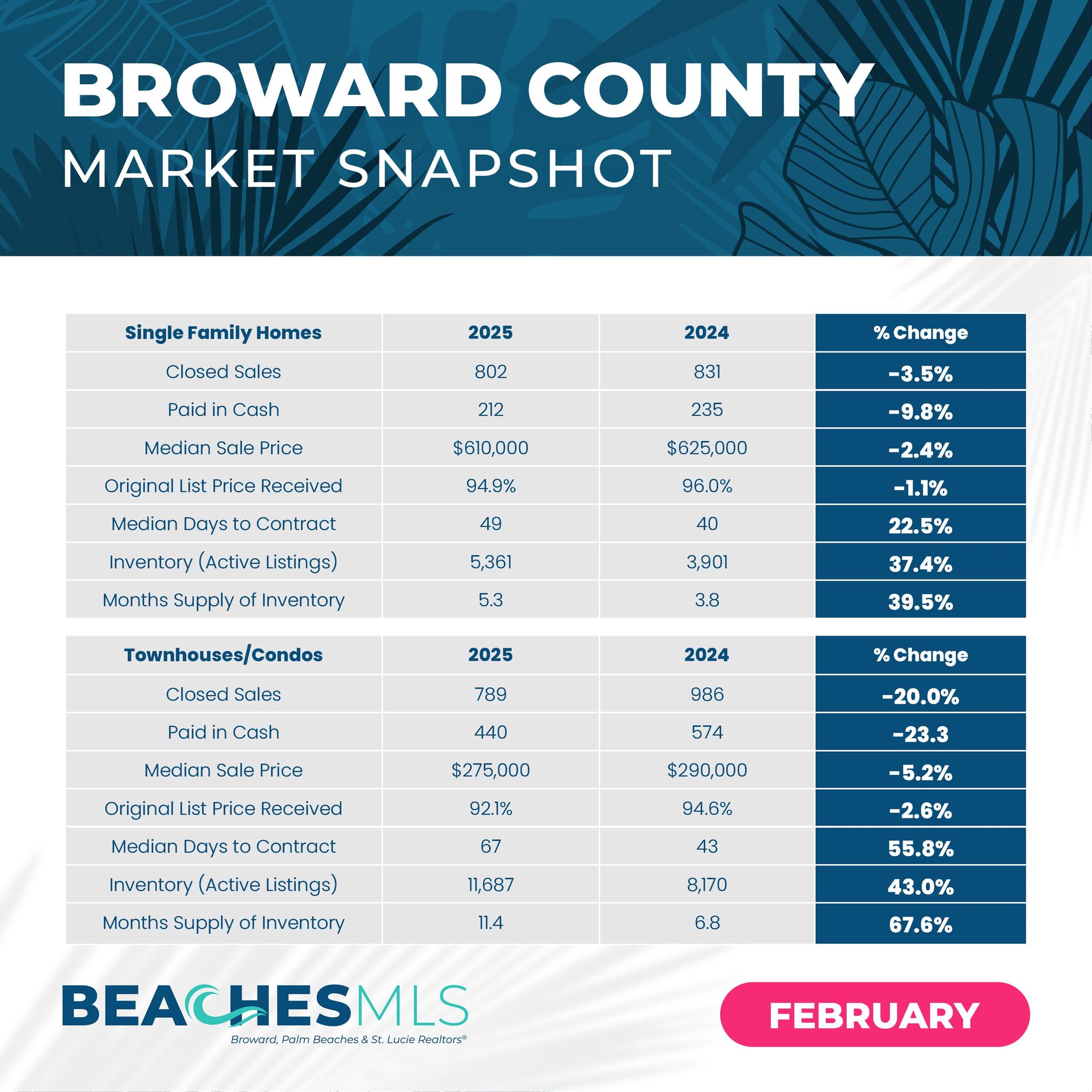
Broward County Market Report Feb 2025

The Market Snapshot is out for Feb 2025. Median prices for single family homes declined 2.4% from a year ago and 5.2% for condos. This is good news for buyers. They are starting to get the upper hand going into the traditional spring selling season. Inventories continue to creep up, so there are plenty of choices too.  

Subscribe to my newsletter here.

Tom Day

Serving The Greater Fort Lauderdale area since 2006

You can reach me 954-895-2431

If You Like This Post, Please Share. Thanks!

Posted in Market Report
March 13, 2025

Maximizing Rental Income: 8 Upgrades Tenants Will Pay Extra For

As a real estate investor, maximizing rental income is key to increasing profitability. One of the best ways to do this is by making strategic upgrades that tenants are willing to pay extra for. Here are eight valuable upgrades that can boost your rental income and attract high-quality tenants.

1. Modern Kitchen Upgrades

The kitchen is one of the most important spaces in a rental property. Upgrading appliances, installing quartz or granite countertops, and adding a stylish backsplash can justify higher rents. Stainless steel appliances and energy-efficient features are particularly appealing to tenants.

2. In-Unit Laundry

Tenants highly value the convenience of an in-unit washer and dryer. Adding this feature can significantly increase the rental value and attract long-term tenants who prioritize convenience over cost. This could actually be number one on the list. Most people do not like shared laundry facilities. Not only will an in-house laundry add income, it will boost resale value and more than pay for itself in most cases.

3. Smart Home Features

Smart thermostats, keyless entry systems, and smart lighting appeal to tech-savvy renters. These features enhance security, energy efficiency, and convenience, making tenants willing to pay a premium for a smarter living space.

4. High-Speed Internet and Cable Ready Setup

With the rise of remote work, having high-speed internet infrastructure in place is essential. Tenants, especially professionals and students, will appreciate pre-installed fiber optic or high-speed cable internet access, making your property more competitive.

5. Updated Flooring

Replacing old carpets with hardwood, vinyl plank, or laminate flooring enhances the property's aesthetics and reduces maintenance costs. Tenants prefer modern, easy-to-clean flooring, and this upgrade can justify higher rent prices.

6. Energy-Efficient Windows and Insulation

Energy-efficient windows and improved insulation help tenants save on utility bills. Many renters are willing to pay extra for a property that reduces heating and cooling costs while providing a comfortable living environment.

7. Outdoor Living Spaces

Balconies, patios, or shared outdoor spaces with seating, grills, or fire pits increase the property's desirability. Tenants enjoy having an outdoor area to relax or entertain, making them more inclined to pay a premium for such features.

8. Ample Storage Solutions

Built-in shelves, closet organizers, or additional storage spaces add significant value to a rental. Tenants appreciate having sufficient storage for their belongings, making this a worthwhile upgrade that can boost rental income.

Investing in strategic upgrades can make your rental property more attractive, increase tenant satisfaction, and allow you to charge higher rent. By focusing on modern conveniences and long-term value, you can maximize rental income and ensure your property remains competitive in the market.

Subscribe to my newsletter here.

Tom Day

Serving The Greater Fort Lauderdale area since 2006

You can reach me 954-895-2431

If You Like This Post, Please Share. Thanks!

Feb. 24, 2025

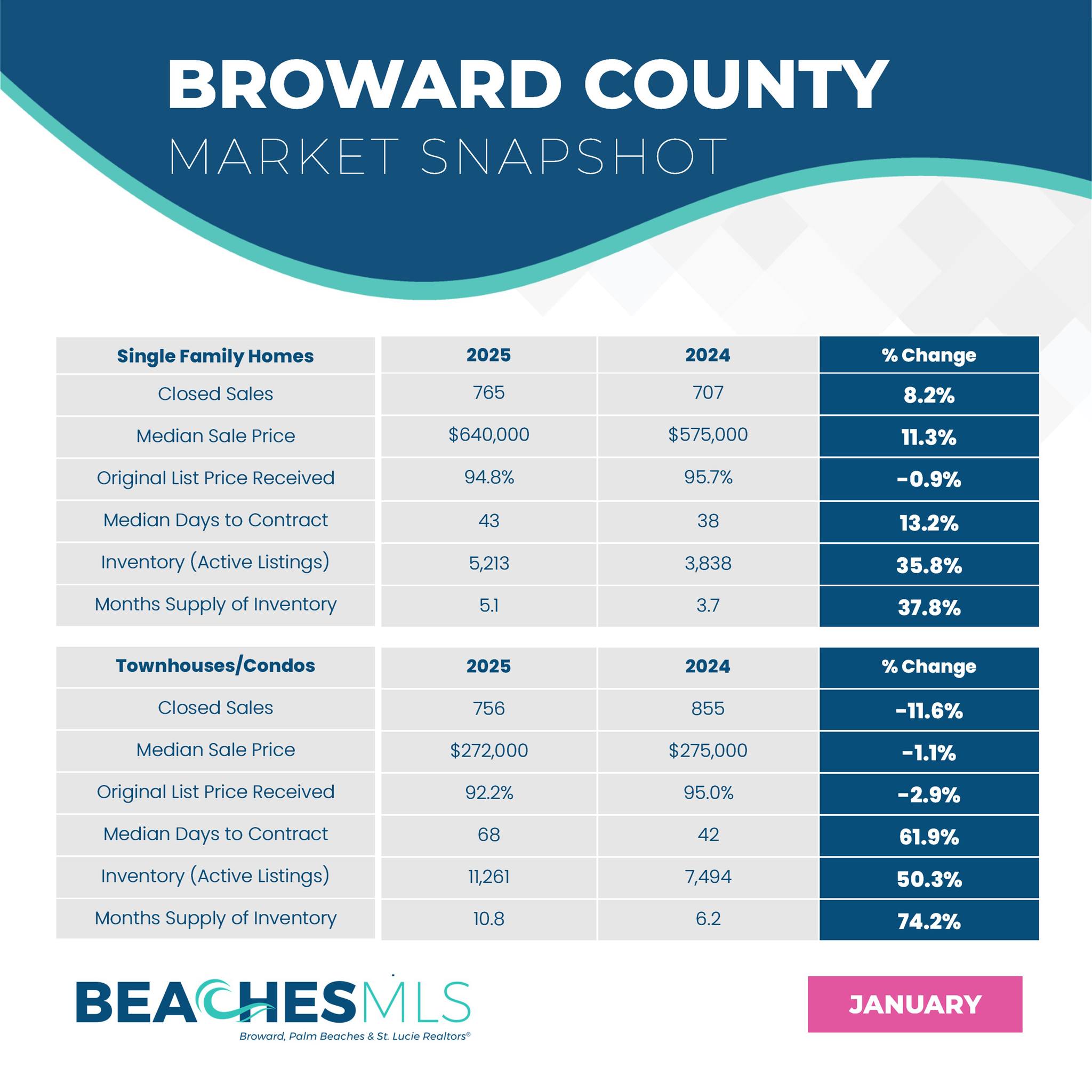
Broward County Market Report Jan 2025

The Market Snapshot is out for Jan 2025. Even with the considerable growth in inventory single family home price and still appreciating in Broward County. With 5.1 months of inventory that could change when it get above six months of inventory which seems likely by spring. Broward condo prices had begun a retreat and are down 1.1% over the same time last year. There is far more activity at the higher price range which may be skewing the numbers a bit. 

Subscribe to my newsletter here.

Tom Day

Serving The Greater Fort Lauderdale area since 2006

You can reach me 954-895-2431

If You Like This Post, Please Share. Thanks!

Posted in Market Report
Feb. 18, 2025

10 Tax Benefits Every Real Estate Investor Should Know

Investing in real estate comes with numerous financial advantages, and one of the biggest perks is the potential for tax benefits. Understanding these tax benefits can help you maximize profits, reduce liabilities, and improve cash flow. Here are ten key tax benefits every real estate investor should know.

1. Mortgage Interest Deduction

If you finance your investment property, you can deduct the interest paid on your mortgage. This can significantly reduce your taxable income, especially in the early years when interest payments are higher.

2. Depreciation Deduction

The IRS allows investors to deduct property depreciation, recognizing that buildings wear out over time. Residential rental properties can be depreciated over 27.5 years, while commercial properties are depreciated over 39 years. This non-cash deduction helps offset rental income and lowers taxable income.

3. Property Tax Deduction

Real estate investors can deduct property taxes paid on rental properties. This deduction reduces taxable income and is particularly beneficial in areas with high property tax rates.

4. Operating Expense Deductions

All necessary and ordinary expenses related to managing a rental property are tax-deductible. These include:

  • Maintenance and repairs

  • Property management fees

  • Advertising costs

  • Utilities (if paid by the landlord)

  • HOA fees

5. 1031 Exchange

A 1031 exchange allows investors to defer capital gains taxes when selling a property by reinvesting the proceeds into another investment property of equal or greater value. This strategy helps investors grow their portfolios while deferring taxes indefinitely.

6. Capital Gains Tax Benefits

If you hold an investment property for over a year before selling, you benefit from long-term capital gains tax rates, which are lower than ordinary income tax rates. Holding a property longer can result in significant tax savings upon sale.

7. Deductible Travel Expenses

If you travel for property-related purposes, such as inspections, tenant management, or maintenance, those travel expenses can be deducted. This includes airfare, mileage, lodging, and meals, provided they are directly related to managing the property.

8. Pass-Through Deduction (Qualified Business Income Deduction)

Under the Tax Cuts and Jobs Act (TCJA), many rental property owners qualify for a 20% deduction on pass-through income. This deduction applies to rental income reported through pass-through entities such as LLCs, partnerships, or sole proprietorships.

9. Home Office Deduction

If you manage your rental properties from a dedicated home office, you may qualify for the home office deduction. This allows you to deduct a portion of home-related expenses, such as rent, utilities, and internet, based on the percentage of space used exclusively for business purposes.

10. Loss Carryforward

If your real estate investments generate a taxable loss, you can carry those losses forward to offset future income. This is particularly useful in years where your expenses exceed rental income, ensuring that you benefit from tax savings in subsequent years.

Real estate investing offers a variety of tax benefits that can help maximize profits and improve cash flow. By understanding and utilizing these tax advantages, investors can optimize their financial strategies and build long-term wealth. Always consult a tax professional to ensure compliance and to take full advantage of available deductions and strategies.

Subscribe to my newsletter here.

Tom Day

Serving The Greater Fort Lauderdale area since 2006

You can reach me 954-895-2431

If You Like This Post, Please Share. Thanks!