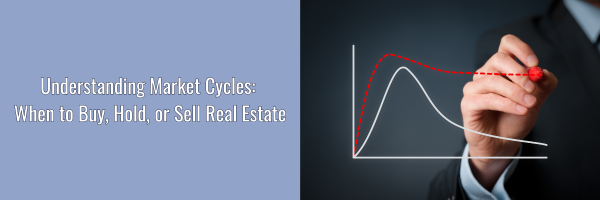
Timing is everything in real estate and very few investors can do it perfectly. Whether you're an experienced investor or just starting out, understanding market cycles can help you make informed decisions about when to buy, hold, or sell a property. Real estate, like all markets, moves in cycles that repeat over time. Here's how to recognize each phase and develop strategies to optimize your investments.
The Four Phases of the Real Estate Market Cycle
1. Recovery
This phase follows a market downturn or recession. During recovery, the market begins to stabilize. Vacancy rates start to decline, rental prices stop falling, and new construction is limited. However, public confidence is still low, and many investors remain cautious.
Best Strategy: Buy
-
Properties are generally undervalued.
-
Early movers can acquire assets below market value.
-
Ideal for long-term investors looking for appreciation and cash flow.
2. Expansion
Demand for real estate increases during this phase. Vacancy rates drop further, rents rise, and construction activity ramps up to meet demand. Consumer confidence and job growth support a thriving market.
Best Strategy: Buy and Hold
-
Property values and rents are increasing.
-
Opportunities for value-add strategies and rent increases.
-
Holding during this phase can lead to strong appreciation and income.
3. Hyper Supply
At this point, the market begins to show signs of oversupply. New developments outpace demand, leading to rising vacancy rates and slowing rent growth. Prices may plateau, and signs of a downturn appear.
Best Strategy: Hold or Prepare to Sell
-
Assess your portfolio for strong performers.
-
Consider locking in gains on high-appreciation properties.
-
Monitor local markets closely to avoid losses.
4. Recession
This is the downturn phase, where oversupply leads to declining rents, higher vacancies, and falling property values. Financing becomes harder to obtain, and distressed sales increase.
Best Strategy: Hold (if possible) or Buy at Discounts
-
Selling during a recession often means taking a loss.
-
If cash flow allows, hold until the next recovery.
-
Look for distressed properties at bargain prices with high long-term potential.
Indicators to Watch
Understanding the market cycle involves more than just observing rent trends. Watch for these indicators:
-
Vacancy Rates: Rising vacancies can signal oversupply.
-
Rental Growth: Slowing or declining rent growth often precedes a downturn.
-
New Construction Permits: A surge in permits may indicate overbuilding.
-
Interest Rates: Higher rates can cool buyer demand.
-
Employment Trends: Job growth fuels housing demand.
-
Consumer Confidence: A confident public tends to support market expansion.
Timing Your Strategy
When to Buy:
-
During Recovery or early Expansion.
-
When prices are still low, but fundamentals are improving.
-
When you can find undervalued properties with upside potential.
When to Hold:
-
During Expansion and Hyper Supply.
-
When rents and values are high, and the property is cash-flow positive.
-
To avoid selling in a down market and preserve long-term gains.
When to Sell:
-
Near the end of Expansion or during Hyper Supply.
-
When you can lock in significant equity gains.
-
If market indicators suggest a downturn is approaching.
Navigating real estate market cycles requires awareness, patience, and strategic thinking. By learning to identify each phase of the cycle and aligning your strategy accordingly, you can maximize profits, minimize risk, and grow a resilient investment portfolio. Stay informed, keep an eye on the data, and don’t be afraid to make bold moves when the timing is right. Real estate is a long term investment. The longer your time frame the fewer errors you will make.
Subscribe to my newsletter here.

Serving The Greater Fort Lauderdale area since 2006
You can reach me 954-895-2431


If You Like This Post, Please Share. Thanks!