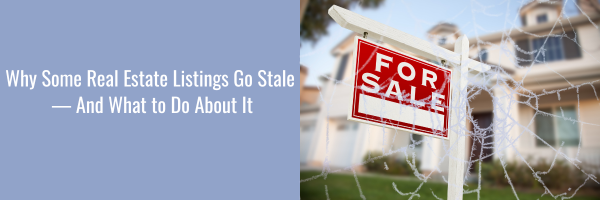
In real estate, timing and presentation are everything. While some properties attract multiple offers within days, others sit on the market far longer than expected. These unsold homes are known as stale listings—and they can pose serious challenges for sellers. The number Days on Market are rising in Florida and elsewhere.
What Is a Stale Listing?
A stale listing is a property that has remained on the market longer than average for its location and price range. In many areas, this can mean 30 to 60 days without serious interest. Online platforms make listing timelines visible, so buyers can easily see how long a home has been sitting—and often assume the worst. A general target for days on the market is no more than 45.
Common Reasons Listings Go Stale
1. Overpricing
The number one reason listings become stale is unrealistic pricing. If a property is priced above market value, it may not even get showings, let alone offers. Today’s buyers are well-informed and quick to compare similar homes online. Don't believe Zillow. Zestimates tend to be high for many reasons and they don't factor in todays higher interest rates. Calculate what it will cost a new owner per month with Principle, Interest, Taxes and Insurance (PITI). If that number is significantly higher that what your home could rent for, you have a problem.
2. Poor Presentation
Listings with dark, blurry, or cluttered photos can be a major turn-off. If a home doesn’t look appealing in pictures, many buyers won’t bother to visit in person.
3. Insufficient Marketing
Just entering a home on the MLS isn’t enough. Without high-quality photography, good signage, social media exposure, open houses, or email campaigns, a listing can easily get lost among newer and better-marketed properties.
4. Property Condition
Buyers may hesitate if the home needs repairs, is poorly maintained, or feels outdated—especially if the asking price doesn’t reflect those issues.
5. Difficult Showings
Inflexible showing windows or requiring too much notice can make it hard for agents and buyers to schedule viewings. Convenience is key when buyers are touring multiple homes in a day.
Why a Stale Listing Is a Problem
-
Negative Perception: Buyers may assume there’s something wrong with the property.
-
Price Reductions: Sellers may be forced to lower the asking price—sometimes more than once.
-
Low Offers: Longer time on the market invites bargain hunters looking for deals.
-
Increased Carrying Costs: Sellers continue paying HOA fees, mortgage, taxes, insurance, and maintenance costs until the home sells.
How to Revive a Stale Listing
Reevaluate the Price
Review recent comparable sales with your agent. A well-timed price adjustment can make the home more competitive and generate renewed interest. Connect with a lender and offer a rate buy-down. If you own free and clear, or close, offering seller financing will really boost the size of the buyer pool.
Refresh the Photos and Description
New photography, updated staging, and a rewritten description can dramatically improve online appeal. Highlight features that were previously overlooked or underrepresented.
Relaunch the Marketing Campaign
Create a new marketing push that includes social media posts, virtual tours, paid advertising, or a fresh MLS listing (if possible) to capture new attention.
Offer Buyer Incentives
Consider offering to pay part of the buyer’s closing costs, include a home warranty, or provide a credit for updates. Small perks can make a big difference.
Take a Break and Re-list
In some markets, temporarily withdrawing the listing for a couple of weeks and re-listing it can help reset its visibility—but is should be combined with one or more new strategies listed here as well. Otherwise you can expect the same results.
Final Thoughts
A stale listing doesn’t mean your home is doomed to sit forever. With the right adjustments in price, presentation, and marketing, it’s entirely possible to revive interest and secure a sale. The key is acting early—before buyers tune out. A common misconception is that if a property sells quickly it was underpriced. Today there are buyers watching and waiting for homes that match their criteria and are smartly priced. Getting buyers competing against each other is the best way to maximize your sales price and preventing a stale listing.