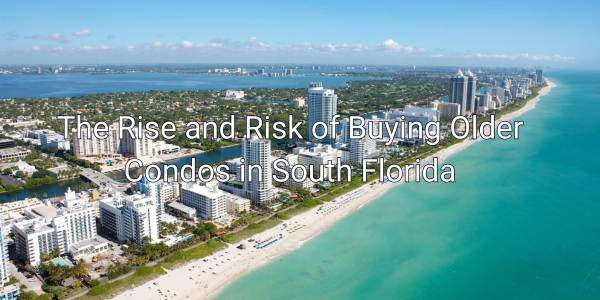
South Florida has long been a haven for condo buyers, offering ocean views, urban living, and relative affordability compared to single-family homes. But in 2025, purchasing an older condominium in Miami-Dade, Broward, or Palm Beach County comes with increasing caution—and potential cost. Recent legislative changes, safety concerns, and shifting market conditions are putting pressure on aging condo communities, making it essential for buyers to do deeper due diligence before making a move.
Why Older Condos Are Under the Microscope
The 2021 collapse of Champlain Towers South in Surfside was a turning point for Florida’s condo industry. In response, the state passed Senate Bill 4D, which introduced sweeping reforms that directly impact older buildings:
-
Mandatory milestone inspections for buildings 30 years old (or 25 if near the coast).
-
Structural reserve studies required every 10 years.
-
Mandatory funding of reserves—HOAs can no longer waive or underfund reserves for structural components.
These rules became enforceable starting January 1, 2025, and the financial and operational burden is now hitting associations—and unit owners—hard.
How These Rules Affect Condo Buyers
1. Higher HOA Dues and Special Assessments
Many older buildings are now scrambling to comply by performing inspections, commissioning reserve studies, and initiating major repairs. As a result:
-
Monthly dues are rising significantly to cover reserve requirements.
-
Special assessments for structural repairs are common—ranging from thousands to tens of thousands per unit.
For buyers, this means the cost of ownership can spike suddenly, and unpredictably.
2. Financing Challenges
Lenders are becoming increasingly cautious:
-
Fannie Mae and Freddie Mac won’t back loans in buildings that fail to meet structural or financial stability guidelines.
-
Mortgage approval now often hinges on HOA questionnaires, reserve fund strength, and pending assessments.
Buyers using financing may find fewer loan options or be denied altogether if the building is flagged.
3. Reduced Resale Appeal
With affordability and risk in question, some older condos are sitting longer on the market. Resale values may decline—especially in buildings needing substantial upgrades or with unclear plans for compliance.
High-Risk Zones in South Florida
Older condos are most concentrated in:
-
Miami Beach, Sunny Isles, and North Miami
Coastal exposure and aging stock make these areas top of mind. -
Hollywood and Fort Lauderdale
Many high-rises built in the '60s and '70s are now facing compliance deadlines. -
West Palm Beach and Boca Raton
While some luxury towers are well-funded, mid-market buildings are feeling the pressure.
What Buyers Should Ask Before Purchasing
If you’re considering buying an older condo in South Florida, get answers to the following:
-
When was the last milestone or structural inspection completed?
-
Is there a reserve study? When was it last updated?
-
Are there any upcoming or ongoing special assessments?
-
What is the current reserve balance vs. recommended funding?
-
Is the building compliant with SB 4D?
Always request and review the HOA budget, financial statements, and board meeting minutes.
Final Thoughts
Older condos in South Florida can still offer tremendous value—especially for cash buyers or those willing to take on renovation risk. However, today’s environment requires a more informed and cautious approach.
In 2025 and beyond, the real question isn’t just “Can I afford the unit?” but “Can I afford the building?”
Subscribe to my newsletter here.

Serving The Greater Fort Lauderdale area since 2006
You can reach me 954-895-2431


If You Like This Post, Please Share. Thanks!